Proton Paddles Banned Pro Pickleball 2026
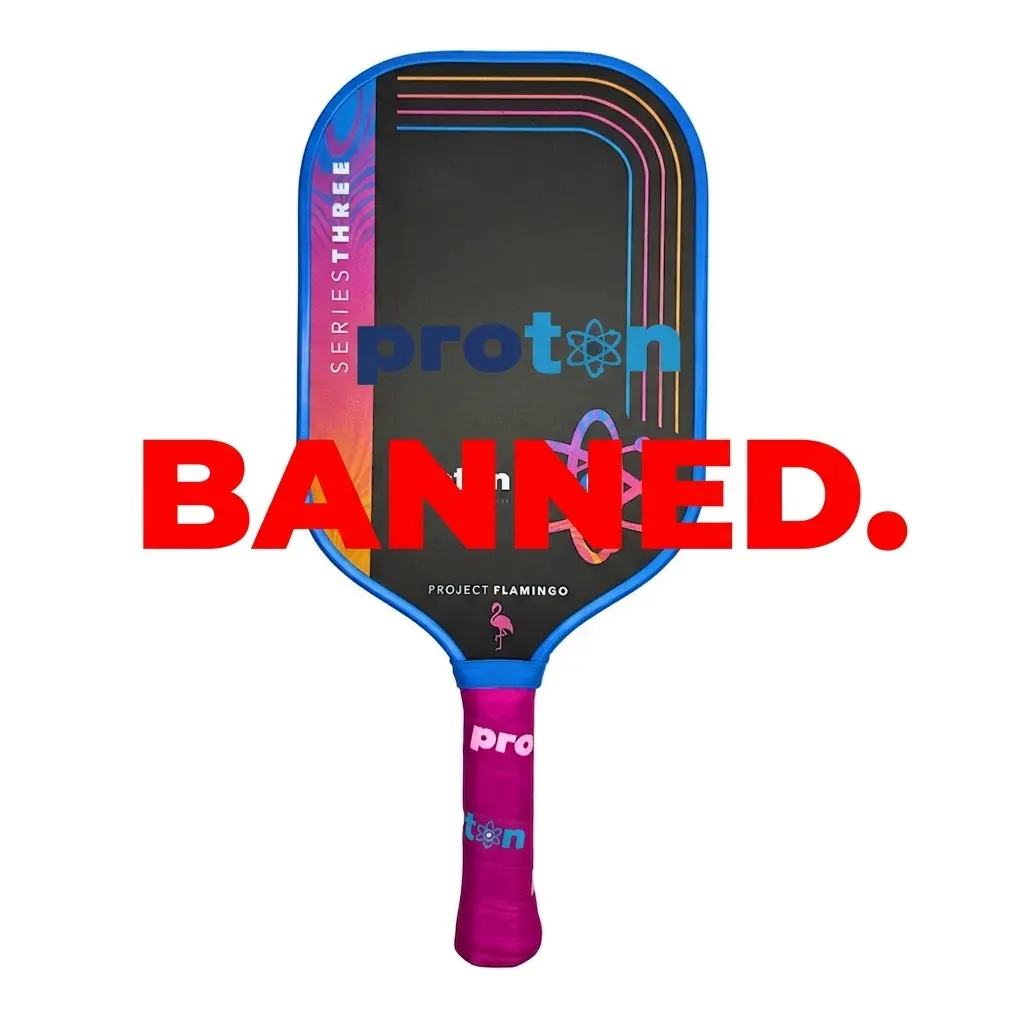
It finally happened. Proton, the brand that was literally the presenting sponsor of the Veolia Texas Open just three weeks ago, has been banned from professional pickleball.
PPA Tour Founder and CEO Connor Pardoe dropped the hammer on Friday, March 27th, sending an email to professional players titled "Important Notice: Proton Paddles Banned from Professional Play." The ban takes effect today, March 30th, 2026, at the conclusion of the Greater Zion Cup. As of right now, no Proton paddle can be used in any sanctioned professional event.
Let's be clear: this has nothing to do with paddle performance. Zero connection to PBCoR testing failures or surface grit violations. This is purely about money. Proton owes money to the UPA, the PPA Tour, MLP, and Pickleball Inc., and according to Pardoe, they had "repeated communications, clear contractual obligations, and ample time to cure" the situation. They failed to do so.
And 11 PICKLES, the ripple effects here go way beyond one paddle company. This story involves unpaid athletes, a severed MLP team partnership, a previous bankruptcy filing, and the very real possibility that amateur players could be next. Let's break it all down.
Proton Paddles Banned: What Happened
Here is what we know. Connor Pardoe's memo stated plainly that "Proton has failed to resolve its outstanding debts and is now in bad standing with the UPA, the PPA Tour, MLP, and Pickleball Inc."
The ban is effective at the conclusion of the Greater Zion Cup on March 30th. That means any player who walked into the Greater Zion Cup with a Proton paddle could finish the tournament, but the next event on the calendar, the PPA Asia Hanoi Cup starting April 1st in Vietnam, is off-limits for Proton equipment.
The memo also included this critical line: "Multiple Proton-sponsored athletes may also be owed significant sums by Proton." Pardoe encouraged those players to "pursue and collect any debts owed to them directly from Proton."
That is an extraordinary statement from the CEO of the PPA Tour. He is banning a paddle brand and publicly telling players they may need to chase down money that Proton owes them.
Zane Navratil, President of the UPA Pro Player Committee and co-host of the PicklePod podcast, posted a reaction video Friday night. The fact that the player committee president felt compelled to address this publicly tells you how significant this is for the pro community.
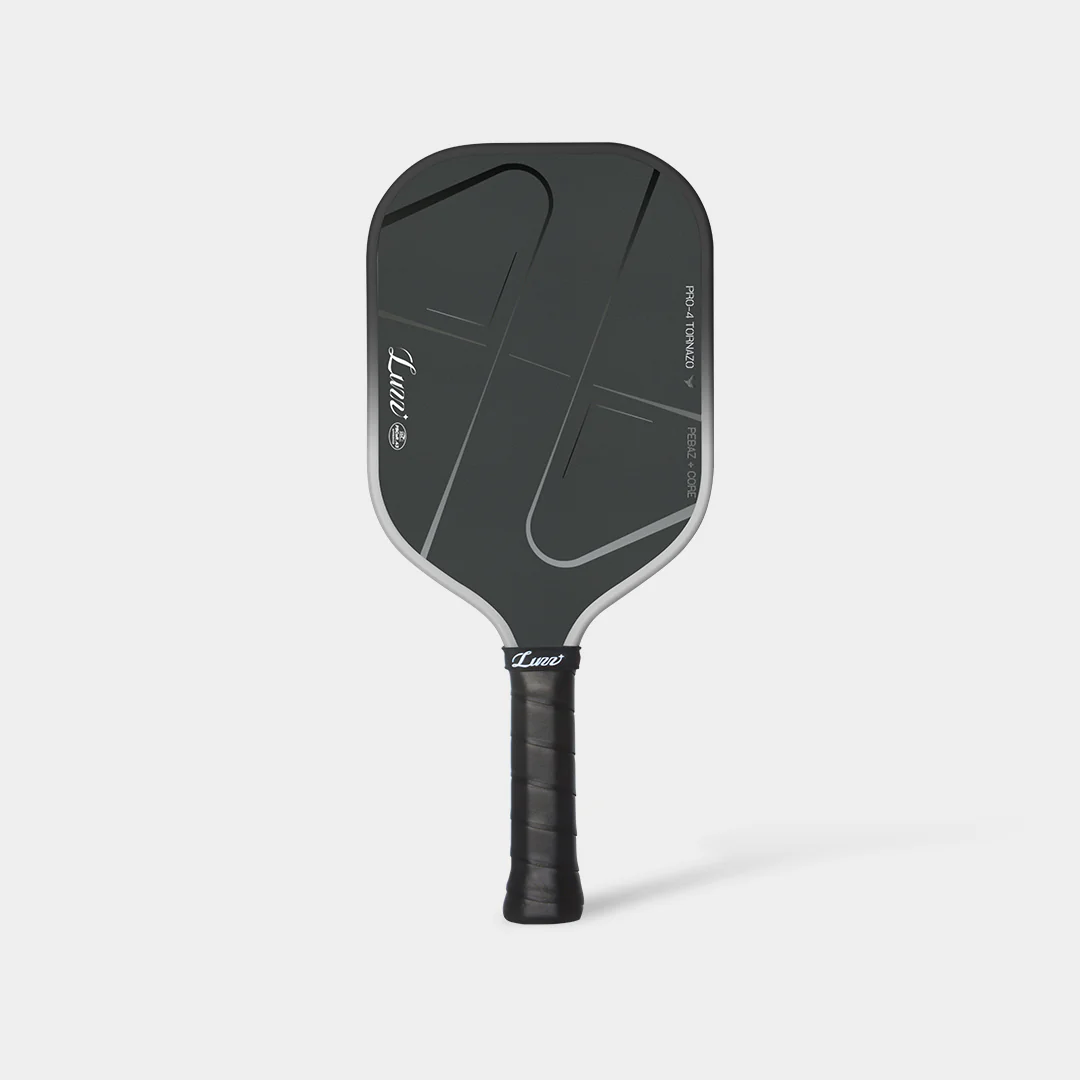
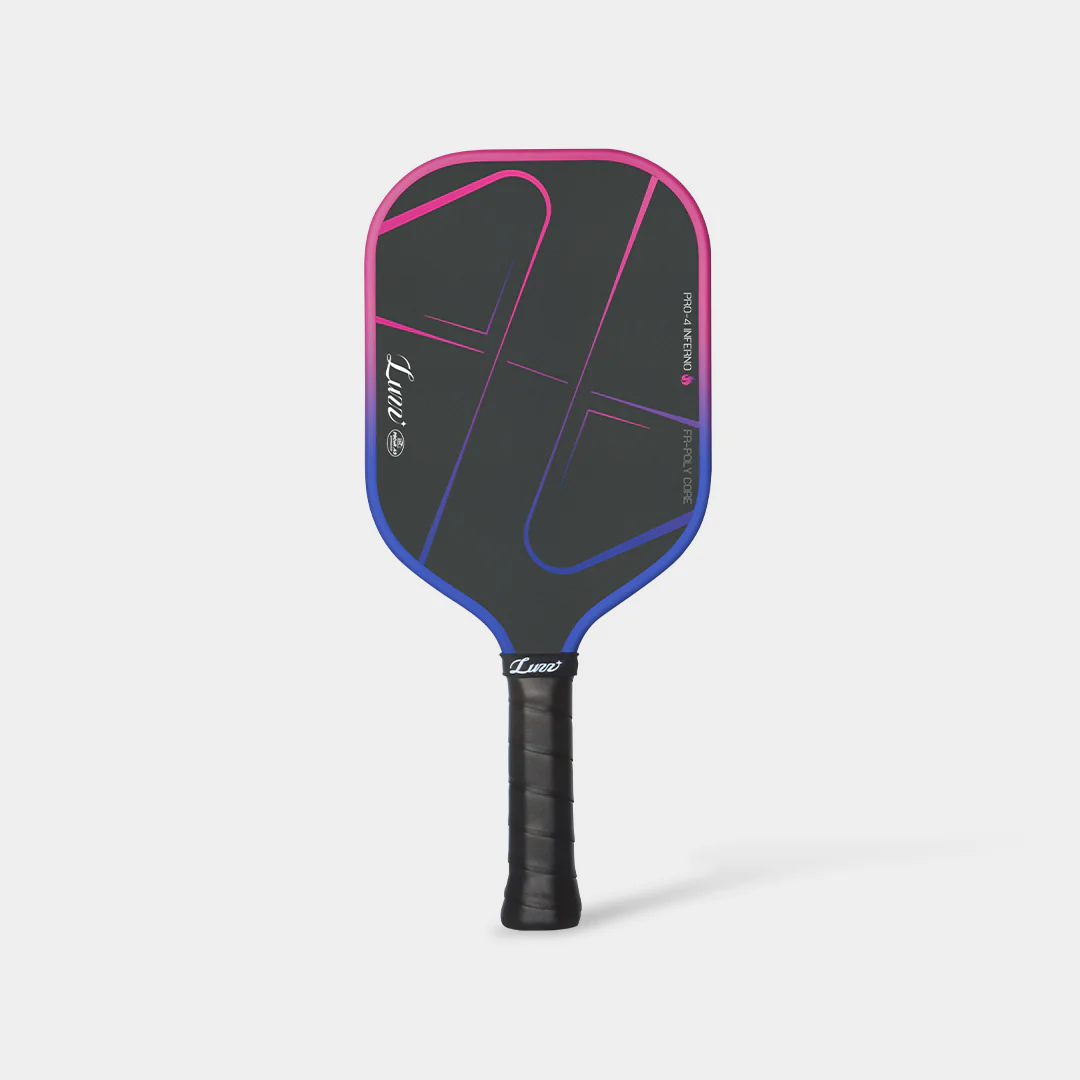
If you're in the market for a new paddle, whether you're a displaced Proton player or just exploring your options, we've been playing with the Luzz Pro 4 Inferno or Luzz Tornazo, and it's one of the most consistent paddles we've tested. Use code 11PICKLES for 15% off.
Which Players Are Affected by the Proton Ban
The list of Proton-sponsored pros who now need new equipment is significant. Here are the athletes directly impacted:
- Jackie Kawamoto, who just re-signed with Proton
- Jade Kawamoto, who also re-signed recently
- Meghan Dizon
- Jalina Ingram
- Travis Rettenmaier
Andrei Daescu, who was one of Proton's highest-profile sponsored athletes, had already seen the writing on the wall. He switched to CRBN earlier this year and was recently spotted playing the CRBN TruFoam Barrage 2. That move looks prescient now.
The timing could hardly be worse for these athletes. The PPA Asia Hanoi Cup starts in two days. Players who were using Proton paddles need to find, test, and get comfortable with entirely new equipment on an extremely compressed timeline. And if Proton owes them money on top of that, they are dealing with financial stress and equipment disruption simultaneously.
For players like Jackie Kawamoto, who literally just re-signed, this is a gut punch. You commit to a brand, put your name behind their product, and then that brand fails to pay its own bills. As someone who plays three hours a day, I can tell you that switching paddles is unlike changing shoes. Your entire game, your touch, your power, your spin rates, all of it recalibrates. Doing that mid-season with zero warning is brutal.
Here is what each affected player now has to figure out:
- New paddle deal: Find a brand willing to sign them on short notice
- Equipment testing: Adjust to a completely different paddle's weight, balance, and surface texture
- Financial recovery: Pursue any unpaid sponsorship money Proton owes them
- Tournament prep: Get competition-ready with unfamiliar equipment before the Hanoi Cup on April 1st
The Phoenix Flames Situation
Proton was part of the ownership group of the Phoenix Flames, a Premier Level MLP team whose roster includes Tyson McGuffin, Genie Bouchard, Jessie Irvine, Jack Sock, Pesa Teoni, and Alex Walker.
The Phoenix Flames have since distanced themselves, stating that "Proton is no longer associated with the Phoenix Flames as of earlier this year." But that separation raises its own questions. When exactly did that split happen? Was it because of the financial issues that led to this ban? And what happens to the limited edition Phoenix Flames Series Three "Project Flamingo" paddles that Proton produced, with 200 individually numbered units sold to consumers?
If you are a recreational player who bought a $200+ limited edition Proton paddle tied to an MLP team that the company is no longer affiliated with, that stings. Here is what the Phoenix Flames split means for different stakeholders:
- MLP franchise owners now need a new paddle partner and sponsor revenue
- Players on the Flames roster need to confirm their equipment is from an approved brand
- Consumers who bought Project Flamingo paddles own a limited edition product tied to a partnership that no longer exists
Proton's History of Financial Trouble
This is far from the first time Proton has been in financial hot water. On March 7, 2025, exactly one year before this ban memo, an involuntary Chapter 11 bankruptcy petition was filed against Proton Sports, Inc. in the U.S. Bankruptcy Court for the District of Arizona (Case #25-01972). The petition was filed by Steven Smith, described as a former employee.
Proton fought the filing, and a judge ultimately dismissed it, sealing the court documents at Proton's request. At the time, the company framed it as a groundless action by a disgruntled former associate.
But here we are, one year later, and Proton owes money to four separate organizations in professional pickleball and potentially to its own sponsored athletes. The pattern is hard to ignore.
What Proton Says
Proton's response to the ban was brief: "We value our relationship with the PPA and plan to resolve this matter promptly."
The ban is technically reversible. Pardoe's memo stated that if Proton "rectifies their debts, they will be considered back in good standing and their equipment will be eligible for play." But "resolving this matter promptly" hits differently when you have already had "repeated communications, clear contractual obligations, and ample time to cure," according to the PPA's own memo, and still failed to pay.
Will Amateur Players Be Affected?
This is the question a lot of recreational players are asking right now. If Proton paddles are banned from pro play, does that trickle down to your local tournament?
According to Pardoe's memo, "policies for amateur play are also under review, with further communication to follow." The UPA governs both professional and amateur sanctioned play, and if Proton is in bad standing with the UPA, extending that ban to amateur events would be a logical next step.
For the millions of recreational players who own Proton paddles, this creates uncertainty. Your paddle is still legal for open play at your local courts. But if you were planning to enter a UPA-sanctioned amateur tournament, you may want to wait for that "further communication" before registering.
This is also worth noting: the 2026 USA Pickleball Approved Paddle List is maintained separately from UPA equipment standards. A ban from UPA/PPA/MLP events does not automatically remove Proton from the USAP approved list, since these are different governing bodies with different criteria. But the optics of playing with a paddle brand that was banned from professional play for failing to pay its bills are far from confidence-inspiring.
The Bigger Picture: Why This Matters
This goes beyond one paddle company. Here is what every player, brand, and stakeholder in pickleball should take away from this ban. This ban signals something larger about the financial fragility of the professional pickleball ecosystem.
Proton was no garage startup. They were a PPA Tour title sponsor. They had a partnership with an MLP franchise. They had a roster of professional athletes. They produced limited edition collaboration paddles. From the outside, this looked like a company with serious backing and momentum.
And yet, they failed to pay their bills.
That should concern every player, fan, and stakeholder in the sport. If a title sponsor can go from presenting the Texas Open to being banned from the tour in three weeks, what does that say about the financial health of other brands, other partnerships, and other sponsorship deals in pickleball?
For the pros, this is a reminder that paddle contracts are only as reliable as the company behind them. Andrei Daescu got out early. The Kawamoto sisters, Dizon, Ingram, and Rettenmaier are now scrambling. The best pickleball brands in the sport are the ones that pay their athletes, honor their contracts, and build trust with the organizations that run the tours. Period.
For recreational players, this is a reminder to pay attention to the business side of the brands you support. A paddle's performance specs matter. But so does the company's ability to stay in business, honor warranties, and maintain its standing with the governing bodies of the sport.
And for the governing bodies, this is a credibility moment. The PPA, MLP, and UPA moved decisively here. They refused to let a former title sponsor skate on unpaid debts. That kind of accountability is necessary for the sport to mature.
What Happens Next
The immediate timeline for the Proton ban and its fallout looks like this:
- March 30, 2026: Ban takes effect at the conclusion of the Greater Zion Cup
- April 1-5, 2026: PPA Asia Hanoi Cup in Vietnam, the first event where the ban is active
- April 13-19, 2026: Sacramento Open, the next domestic PPA event
- TBD: UPA announcement on amateur play policies
Affected players need to secure new equipment deals before Hanoi. Given the compressed timeline, expect to see some quick sponsorship announcements in the coming days.
Key things to watch in the coming weeks:
- Which paddle brands sign the displaced Proton athletes
- Whether Proton actually pays its debts and gets reinstated
- The UPA's decision on amateur tournament eligibility
- Any further statements from the Phoenix Flames ownership group
Meanwhile, watch for the amateur play decision from the UPA. If Proton paddles get banned from sanctioned amateur events, the fallout expands dramatically. Proton has sold thousands of paddles to recreational players. Many of those players entered tournaments with UPA-sanctioned equipment. Telling them their paddle is no longer eligible would be a logistical and customer service nightmare, but it may be the direction this is heading.
We will also be watching Proton's response closely. "Resolve this matter promptly" could mean anything. It could mean a wire transfer clears tomorrow and everything goes back to normal. Or it could mean another bankruptcy filing. Given the history, anything is possible.
And 11 PICKLES, we will keep you updated as this story develops. This is one of the most significant business stories in professional pickleball this year, and the consequences are far from settled.
Frequently Asked Questions
Here are the most common questions players are asking about the Proton ban, the affected athletes, and what it means for amateur play.
Why Were Proton Paddles Banned From Professional Pickleball?
Proton paddles were banned because the company failed to resolve outstanding debts owed to the UPA, PPA Tour, MLP, and Pickleball Inc. The ban is financial, and has nothing to do with paddle performance. PPA Tour CEO Connor Pardoe confirmed the ban in a memo on March 27, 2026, stating that Proton had "ample time to cure" the situation and failed to do so.
Which Players Were Sponsored by Proton When the Ban Happened?
Proton-sponsored athletes at the time of the ban included Jackie Kawamoto, Jade Kawamoto, Meghan Dizon, Jalina Ingram, and Travis Rettenmaier. Andrei Daescu, a former Proton pro, had already switched to CRBN before the ban was announced.
Can I Still Use My Proton Paddle at Local Courts?
Yes. The ban currently applies to professional sanctioned events under the PPA Tour, MLP, and UPA. Recreational open play is unaffected. However, the UPA has stated that "policies for amateur play are also under review," so sanctioned amateur tournaments may be affected in the future.
Is the Proton Ban Permanent?
The ban is reversible. According to the PPA memo, if Proton "rectifies their debts," the company will be considered back in good standing and its equipment will be eligible for professional play again. No timeline for resolution has been announced.
What Happened With Proton and the Phoenix Flames?
Proton was previously part of the ownership group of the Phoenix Flames MLP team and produced limited edition collaboration paddles. The Phoenix Flames have stated that "Proton is no longer associated with the Phoenix Flames as of earlier this year," though the exact details and timing of the split have yet to be publicly disclosed.


.webp)