Pickleball Referee: How to Get Certified and Start
The first time I watched a referee work a PPA Tour match up close, I realized how much I had been taking for granted. The ref was calling the score, tracking the server number, watching for kitchen faults, monitoring the 10-second serve clock, annotating the scoresheet, and managing two players who disagreed on a line call, all at the same time. It looked effortless. It was not.
Pickleball refereeing is one of the most overlooked opportunities in the sport. With the number of sanctioned tournaments growing every year, demand for certified referees far exceeds supply. USA Pickleball runs a structured certification program that takes you from complete beginner to officiating professional matches, and the pay at the higher levels is real.
At 11 PICKLES, we cover every PPA Tour event and interact with referees at every tournament. This is the complete guide: the certification pathway, what referees actually do during a match, how much it pays, how to prepare for the tests, and how to find your first officiating opportunity.
The USA Pickleball Referee Certification Pathway
USA Pickleball credentials referees through a four-level system. Each level unlocks the ability to officiate higher-stakes matches and earn more per assignment.
Level 1: Verified Trainee
This is your entry point. You are learning the fundamentals and building experience before you officiate real matches.
Requirements:
- Current USA Pickleball membership (Champion or Challenger level)
- Submit a Verified Trainee application through the membership portal
- Watch the mandatory "Referee Quick Start" video from USA Pickleball
- Study the Official USA Pickleball Rulebook and Officiating Handbook
- Pass the USA Pickleball Player Test
How to build experience at this level:
- Shadow experienced referees at local tournaments
- Practice scorekeeping on the sidelines
- Volunteer as a line judge
- Officiate informal games at open play sessions (ask the organizer first)
- Get feedback from seasoned officials
Level 2: Level 1 Referee
You are now officially credentialed to referee non-medal matches at tournaments.
Requirements:
- Pass four tests: Referee Test, Line Judge Test, Handbook Officiating Procedures Test, and Player Test
- Complete a visual acuity exam (20/30 vision minimum)
- Obtain referee equipment: 6"x9" clipboard, numbered server clip, mechanical pencils, stopwatch, sample scoresheets
- Contact your Regional Training Coordinator (RTC) for a skills assessment
- Meet Level 1 requirements on the Tiered Referee Rating (TRR) form
- Must be at least 16 years old
What you can officiate: All amateur, non-medal matches at sanctioned tournaments.
Level 3: Level 2 Referee
You can now officiate medal matches at sanctioned tournaments. This is where the role becomes significantly more demanding.
Requirements:
- Accumulate substantial match experience under trainer guidance
- Complete an Advanced Training Session (ATS)
- Minimum one year of experience at Level 1
- Contact your RTC for a Level 2 skills assessment
- Meet Level 2 requirements on the TRR form
What you can officiate: All amateur matches, medal matches at sanctioned tournaments, and some professional matches in certain circumstances.
Level 4: Certified Referee
The highest level. You officiate professional matches, championship courts, and livestreamed broadcasts.
Requirements:
- Extensive tournament refereeing experience across multiple events
- Work with a mentor assigned by the Certified Referee Coordinator
- Complete an Advanced Training Session
- Pass an interview with the Certified Referee Coordinator
- Achieve near-perfect scores on the Referee Test and Line Judge Test
- Pass an on-court evaluation by a USA Pickleball Certified Evaluator at a sanctioned tournament (minimum three doubles matches assessed)
What you can officiate: Any match at any tournament, including all professional events.
What a Pickleball Referee Actually Does
If you have only played self-officiated games, you might think a referee just calls the score. The reality is far more involved.
Before the Match
- Collect the match scoresheet from the tournament desk
- Start the timer for players to report to the court
- Review scoresheet details (player names, seedings, match format)
- Note player identifiers (jersey colors, numbers) on the scoresheet
- Introduce yourself to all players
- Determine initial service by having one side call a number
- Explain winning conditions and game format
- Instruct players: "Do not serve until I call the score"
- Explain timeout rules (two 1-minute timeouts per side per game)
- Confirm correct server positions for both teams
- Move to referee position and call "Time in"
During the Match
The referee is responsible for all of the following simultaneously:
- Calling the score before every rally (all three numbers in doubles)
- Monitoring the 10-second serve rule (server has 10 seconds after the score is called)
- Calling kitchen foot faults in the non-volley zone
- Calling service faults (short serves, foot faults, illegal serve motion)
- Verifying correct server and receiver positions before each serve
- Annotating the scoresheet after every rally
- Tracking first and second servers using the numbered clip system
- Managing timeouts (players lay paddles down, ref tracks duration)
- Issuing technical fouls when warranted (adds one point to opponent's score)
One critical detail: players still make their own line calls. The referee may offer an opinion only if they clearly see where the ball landed, and such opinions cannot be challenged.
After the Match
- Verify final scores with both teams
- Have players confirm the recorded results
- Report scores to the tournament desk immediately
How Much Do Pickleball Referees Get Paid?
Pay varies by level and event type. Here are the realistic numbers.
Pay by Certification Level
- Verified Trainee: Unpaid. You are volunteering to learn.
- Level 1 Referee: Approximately $10 per match at local sanctioned events
- Level 2 Referee: Approximately $15 per match. Eligible for medal match assignments.
- Certified Referee: Approximately $20 per match at amateur events. Up to $500 per day at professional events (PPA Tour, MLP).
What Determines Pay
- Event tier: Local tournaments pay less than regional or national events. Professional events pay the most.
- Match count: More matches per day means more total pay.
- Travel coverage: Higher-level events may cover travel, meals, and lodging for certified referees.
- Volunteer vs. paid: Many local tournaments still rely on volunteer referees. Sanctioned events with entry fees are more likely to pay.
Is It Worth It Financially?
At the local level, refereeing pays modestly. A full tournament day might earn you $80-$150. At the professional level, it can reach $500 per day plus travel. The real value for most referees is the combination of income, free tournament access, and being part of the competitive pickleball ecosystem. If you love the sport and want to be at every event without paying entry fees, this is a legitimate path.
How to Prepare for the Referee Tests
The certification tests cover rules, officiating procedures, and line judging. Here is how to study.
What the Tests Cover
- Player Test: Basic rules of pickleball. If you play regularly and know the rules, you can pass this.
- Referee Test: Officiating procedures, scoresheet management, fault calling, timeout protocols. More detailed than the player test.
- Line Judge Test: 40 questions covering line judge positioning, hand signals, and best practices.
- Handbook Officiating Procedures Test: Specific procedures from the USA Pickleball Officiating Handbook.
Study Resources
- Official USA Pickleball Rulebook (read it cover to cover, not just the parts you think you know)
- USA Pickleball Officiating Handbook (available through your membership portal)
- Referee Casebook (situational examples of how rules apply in real matches)
- USA Pickleball training videos (mandatory "Referee Quick Start" video)
- Practice scorekeeping at local events before you sit for the tests
Study Tips From Experienced Referees
- Know the kitchen rules cold. Non-volley zone violations are the most commonly called faults and the most frequently tested.
- Understand the scoring sequence. You need to call the score correctly, track servers, and annotate the sheet simultaneously.
- Study the timeout procedures. The test asks specific questions about what happens during timeouts, equipment adjustments, and medical timeouts.
- Take practice tests. USA Pickleball offers practice versions. Use them.
Required Equipment and Attire
Equipment
- Clipboard (6" x 9" minimum)
- Numbered server clip (attaches to clipboard to track server 1 vs. server 2)
- Mechanical pencils (at least 2, plus a backup)
- Stopwatch or timer
- Sample scoresheets for practice
- Whistle (some tournaments require it)
Attire
- Black shoes and socks
- Black shorts or pants
- White collared shirt (polo)
- White hat or visor
- No visible logos from paddle or gear brands (neutrality)
How to Find Refereeing Opportunities
Platforms
- **PickleballDesk.com:** The primary platform for tournament directors to recruit referees. Create a profile and set your availability.
- USA Pickleball tournament calendar: Search for sanctioned events in your region and contact tournament directors directly.
- Facebook groups: Multiple referee-specific groups where tournaments post openings.
- Your Regional Training Coordinator (RTC): They know which events need referees and can connect you.
Getting Started
- Volunteer at local club tournaments first. No certification needed for casual events.
- Build relationships with tournament directors. They remember reliable referees.
- Start as a line judge at larger events. It is less pressure and gives you court experience.
- Attend referee training clinics in your area (USA Pickleball posts upcoming clinics on their website).
Gear for the Court (Whether You Are Playing or Refereeing)
Whether you are refereeing or playing, understanding what makes a quality paddle helps you make better calls about equipment legality. Here are paddles we have reviewed:
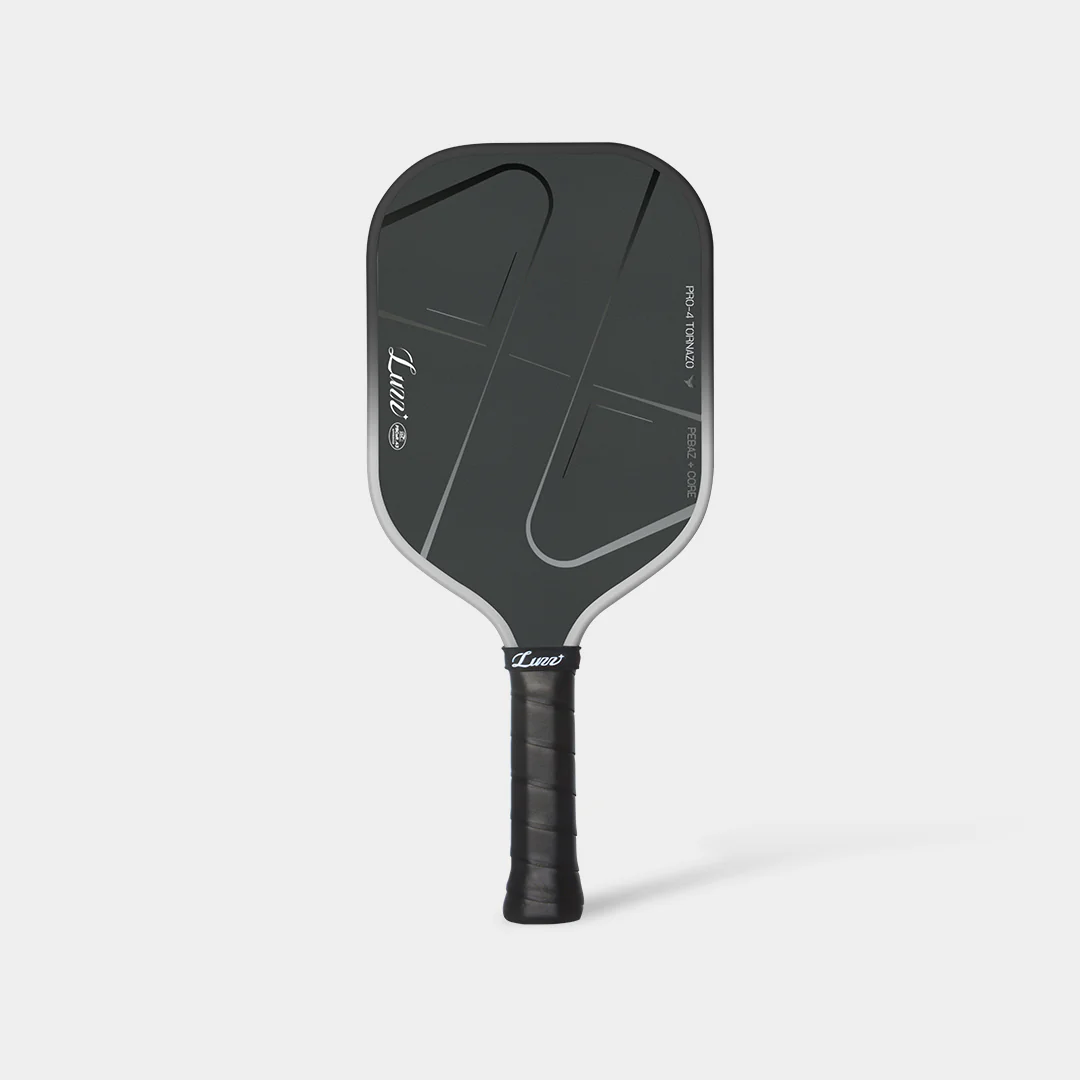
Luzz Pro 4 Tornazo Pickleball Paddle Review (control and spin, within all legal surface roughness limits)
Luzz Pro 4 Inferno Pickleball Paddle Review (power paddle, USAP and UPA-A approved)
Use code 11PICKLES for 15% off at Luzz.
For more on paddle regulations and what makes a paddle legal vs. banned, read our guide on banned pickleball paddles.
And 11 PICKLES, refereeing is one of the best ways to give back to the sport while staying close to the competition. We are here for all of it. Check out our apparel at 11pickles.com/products and subscribe to the 11 PICKLES newsletter for tournament coverage, gear reviews, and strategy content.
Some links on this site are affiliate links, which means if you click and make a purchase, we earn a small commission. It doesn't cost you extra, and it helps us keep serving up great content for the pickleball community.
How Do I Become a Certified Pickleball Referee?
Start by getting a USA Pickleball membership and applying as a Verified Trainee at usapickleball.org/referee. Watch the mandatory training video, study the rulebook, pass the Player Test, and begin shadowing experienced referees at tournaments. The full path from Verified Trainee to Certified Referee takes 1-3 years depending on how many tournaments you work.
How Much Do Pickleball Referees Make?
Pay ranges from $10 per match at the Level 1 local tournament level to $500 per day at professional PPA Tour and MLP events. A full day at a local sanctioned tournament typically pays $80-$150. Certified Referees at the highest level also receive travel, meals, and lodging coverage.
What Tests Do I Need to Pass to Become a Pickleball Referee?
You need to pass four tests: the Player Test (basic rules), the Referee Test (officiating procedures), the Line Judge Test (40 questions on positioning and signals), and the Handbook Officiating Procedures Test. Study the Official USA Pickleball Rulebook, the Officiating Handbook, and the Referee Casebook.
Can I Referee Pickleball Without Certification?
Yes, for non-sanctioned events and casual club tournaments, no certification is needed. Tournament directors at local events often welcome volunteer referees. However, sanctioned USA Pickleball tournaments require at least Level 1 certification, and professional events require Certified Referee status.
What Equipment Does a Pickleball Referee Need?
Essential equipment includes a 6"x9" clipboard, numbered server clip, mechanical pencils, stopwatch, scoresheets, and a whistle. Attire is standardized: black shoes, socks, and shorts with a white collared shirt and white hat. No visible brand logos allowed to maintain neutrality.


.webp)