Luzz Cannon Pickleball Paddle Kung Fu Panda Review
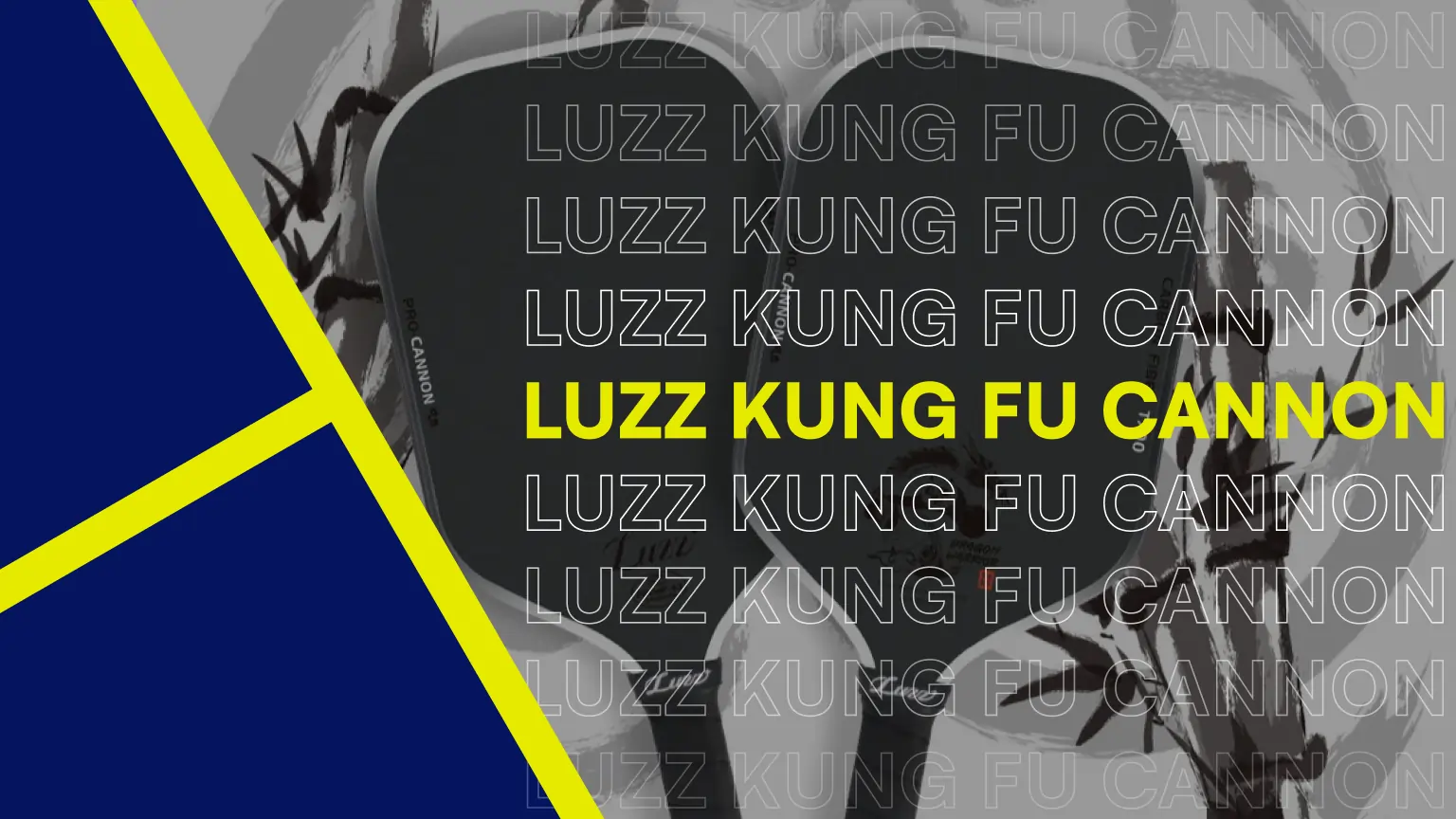
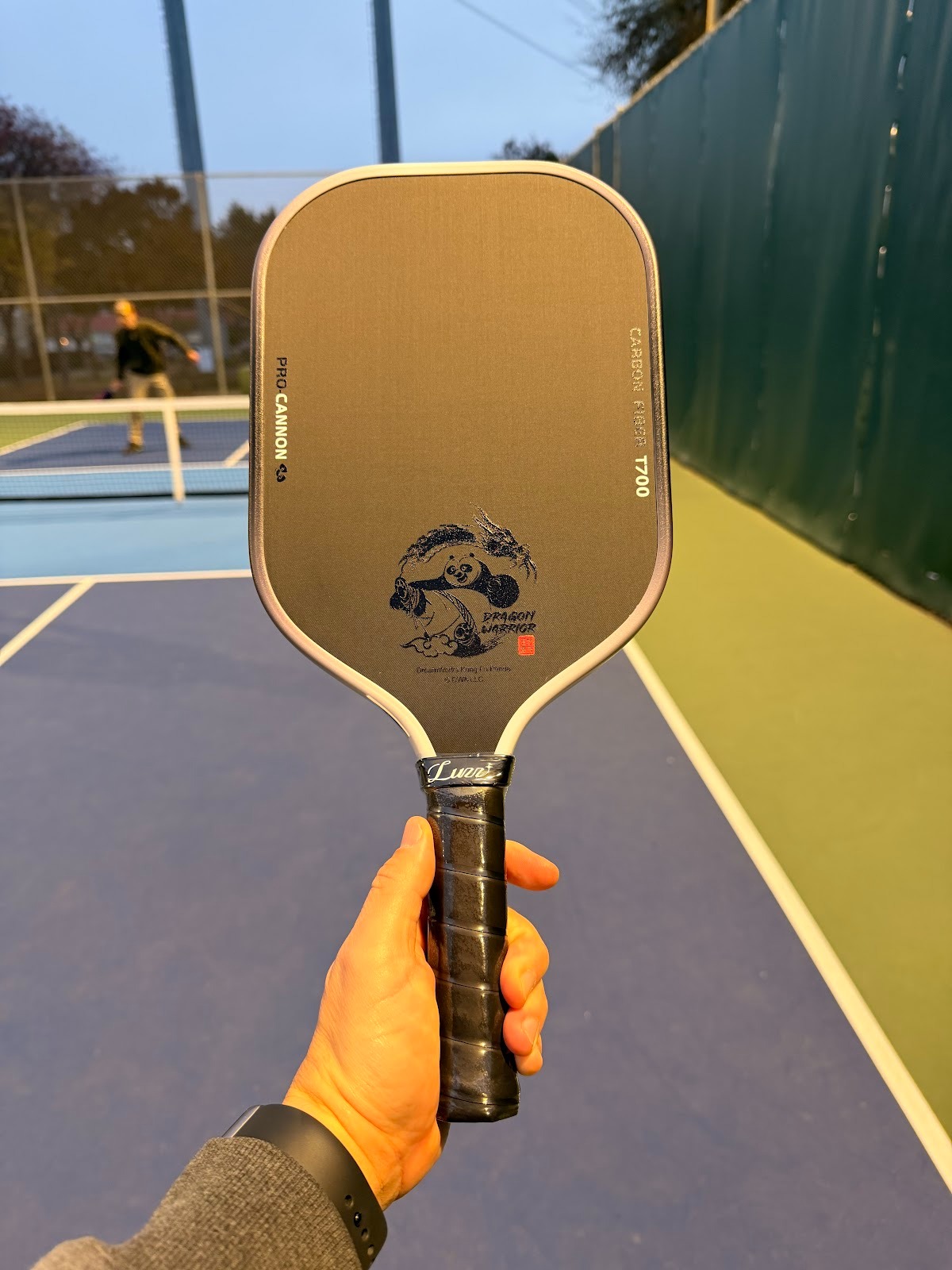
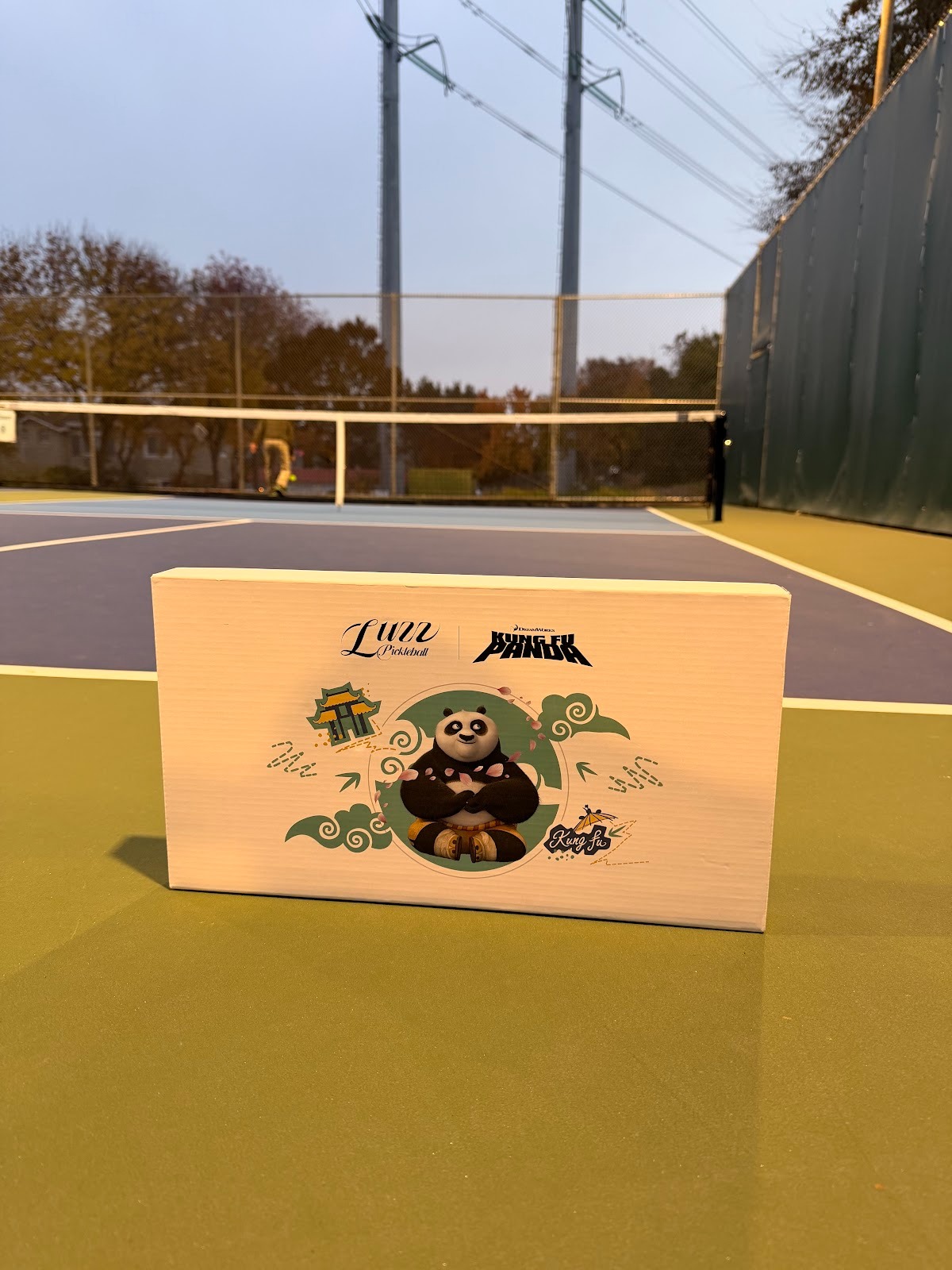
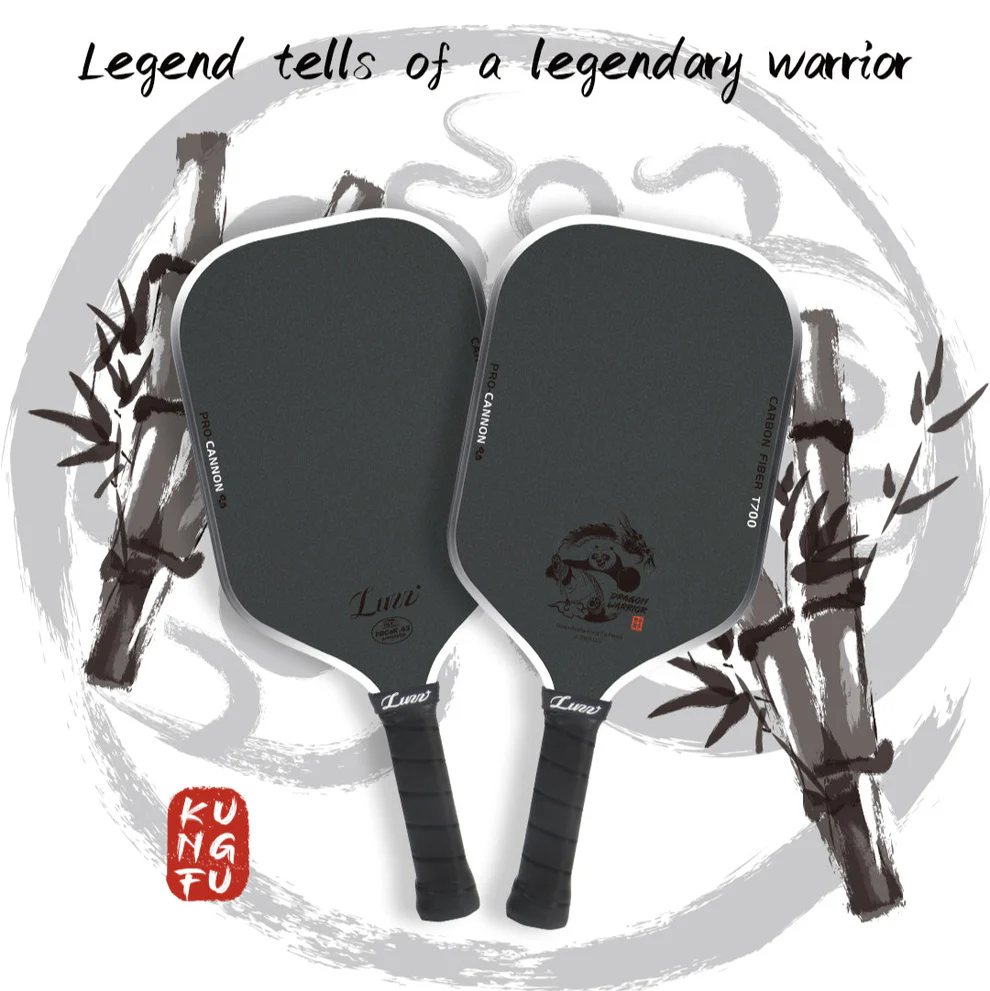
Let’s get the basics and specs out of the way first. The Luzz Cannon, Kung Fu Panda is a special edition of the Cannon paddle in collaboration with Universal Studios’ Kung Fu Panda, the movie.The paddle has a creatively designed livery on the paddle face and box with the lovable cartoon panda, Po, from the movie and his moniker, the dragon warrior.
The paddle comes with a basic black grip tape and a neat grey/white edge guard. The Cannon is also available in the standard black colorway and a “Candy Cannon” design. The technical specs are the same for all 3 paddle designs.
Luzz Cannon Pickleball Kung Fu Panda Edition: Classic Gen 3 Design With Class Leading Specs
The Pro Cannon is a Gen 3 thermo-formed paddle with a polypropylene core surrounded by EVA foam. The paddle has an elongated shape (also available in a hybrid shape called the Glider) and is a 16mm thickness, which has become the standard thickness for Gen 3 and the new generation of foam core paddles. The Cannon is 16.54 inches long and 7.48 inches wide with a grip length of 5.52 inches. The paddle has a T700 carbon fiber face with an especially gritty surface that enables a top of the class spin rate of approximately 2252 RPM.
The Canon is dual certified under the UPA-A and USAP regulations, a rarity for many paddles on the market. Since pros and amateurs alike can use this paddle in tournaments, American PPA tour pro CJ Klinger has been seen using the Cannon in recent PPA tournaments in 2025 and many Pros on the Asian tour wield the paddle as well.
If you decide to get the Luzz Cannon or the Luzz Pro 4 Inferno or Luzz Tornazo or the Pro Blade 2, you can get 15% off your purchase with the code “11pickles” at checkout. We were not compensated for this review, but Luzz Pickleball did send over a trial paddle to give an honest and detailed review. You can get the Cannon here.
First impressions of the Luzz Cannon Kung Fun Panda Pickleball Paddle.
It hits hard and has great spin.
Out of the box, this paddle looks great with its simple black design and gray ombre edge guard. Other paddles on the market have become overly distracting with their color designs on the face of the paddle so it’s nice to see a more subtle design.
I did not know what to expect out of the box with this paddle. It had been quite a while since I had used a Gen 3 paddle and the previous Gen 3 paddle I had “mained” (read used everyday) was the Honolulu J2C+.
When I first started using the J2C+, it took about 20 hours for the paddle to break in and unlock the full power performance of the sweet spot. Other players using Gen 3 paddles from a year ago also reported similar break-in periods to the J2C+.
The Luzz Cannon, however, within the first hit, had far more power than I expected. Over the first week of playing with the Cannon for approximately 10 hours the power may have increased very slightly, but otherwise came right out of the box with its peak power potential without a break-in period.
One of the pros of the new generation of foam-core paddles is the lack of a break-in period. The most recent paddle I have “mained” for the last five months has been the Honolulu J2NF, a New Gen foam-core paddle, and that was also powerful right out of the box as well. It’s great to see that the older generation Cannon has this benefit that the newer gen paddles boast.
The Luzz Cannon is an elongated shaped paddle. In general, square body paddles have the largest sweet spot but sacrifice overall paddle length while elongated shape paddles have maximum reach but sacrifice sweet spot size. Hybrid shape paddles sit right in the middle where you only sacrifice approximately ¼ to ½ of an inch in paddle length but still maintain a relatively large sweet spot. Sweet spot size matters because it helps with shot placement and power consistency.
Beginner to intermediate players tend to not be quite as accurate at hitting the ball in the middle of the paddle or sweetspot. Most people would recommend a hybrid or square shape for beginners to maximize sweetspot size and enable greater consistency. If you take a look at your current paddle and notice where the ball marks tend to be, you can see how accurate you are at hitting the ball at the center of the paddle.
Indeed, the Cannon can be less predictable when you have slight mishits around the edges of the paddle and it is no different than other Gen 3 power paddles such as the Joola Pro IV, however the predictability does not suffer as drastically as Gen 2 and Gen 1 paddles. Because of the sweet spot size and power potential, I would still recommend this paddle for Intermediate and Advanced players.
I have mostly “mained” hybrid shape paddles because of the happy medium benefits you get with the hybrid shape as previously explained above. With most of the hybrid shaped paddles I have used in the past, I have had to add weight on the sides at the top of the paddle to increase the head weight and provide more plow through power to compensate for the slightly shorter length when compared to elongated paddles.
The Luzz Cannon, however, has an elongated shape and came out of the box feeling already relatively head heavy similarly to the hybrid shape with weight added. The speed of drives is on par with every other power paddle I've tested in 2025 including the Joola Pro IV, Selkirk Boomstick and the Luzz Pro 4 Inferno.
The grit level on the Cannon is very high and is up in the top echelon of more expensive paddles with a spin rate of over 2100 RPM. What this means is that even with a very powerful paddle, the grit on the surface allows you to add enough top spin to keep even the hardest drives landing in-bounds in the court.
How it compares in the Pro Luzz lineup
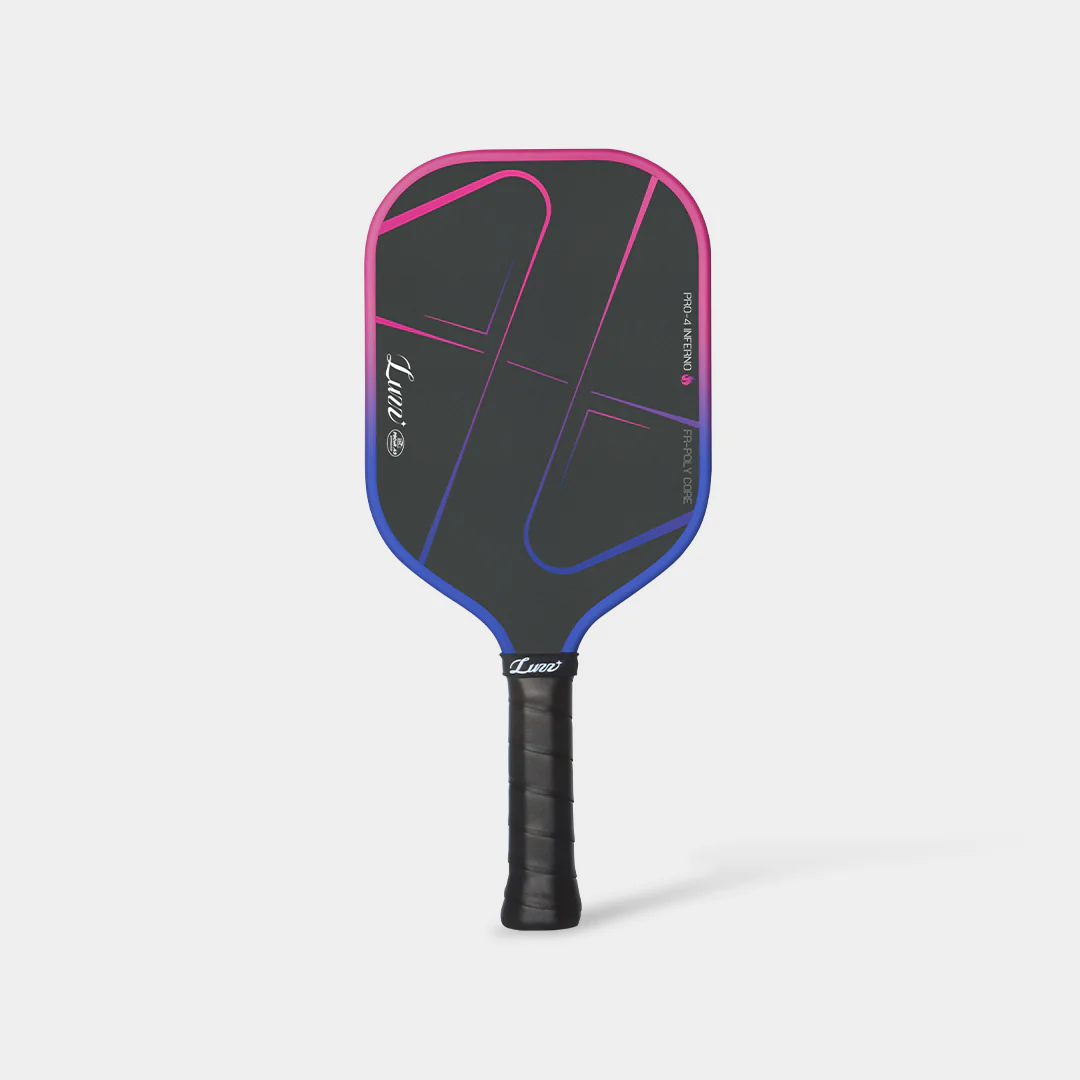
The Cannon, Pro 4 Inferno, and Pro 4 Tornazo are all part of Luzz’s Pro Power Line of paddles. The specifications on the 3 are very similar, however they feel and play slightly differently. The 3 paddles are all the same shape and have similar spin rates and power, but the Inferno and Tornazo are their 4th generation foam core paddles.
The Cannon definitely has the same amount of power and spin rate as the Inferno and Tornazo. What the Cannon lacks, albeit very slightly, is the larger sweet spot that the foam core Inferno and Tornazo models have. That being said, if you are an intermediate to advanced player who doesn’t have many mishits around the edges of the paddle, you won’t be sacrificing much in the way of performance compared to the other Luzz pro paddles.
The Cannon also differs in that it has more vibrations in the handle and feels slightly more hollow than the other Luzz paddles. I in general found this to be more user friendly for my personal preference because I was able to shape and feel the ball better at lower speeds in kitchen play. That being said, everyone has their own preferences as to how they like their feedback in the handle.
For comparison, below are the specs of the 3 Luzz pro paddles:
If you want to read more about the other Luzz Pro paddles, you can check out our detailed review of the Luzz Pro 4 Inferno here and the Luzz Pro 4 Tornazo here.
How it compares to other power paddles on the market
The Luzz Cannon stands out from the competitors in the pickleball paddle market in many ways, the high spin rate, high power and pop, and even relative control abilities at the kitchen. What really sets it apart from competitors such as the Selkirk Era Power or the Joola Pro IV is the price. With the discount code “11pickles”, the Cannon is nearly one third of the price of these popular brands that you see the pros using.
In side-by-side play with the Joola Pro IV, both paddles have a similar amount of grit and spin capability and power however they do play differently. The Joola Pro IV has a more muted feeling when hitting the ball and less feedback fed into the handle than the Cannon. This increased feedback in the Cannon translates into better control in slow speed dink battles as you can really feel how hard the ball is bouncing off the face of the paddle. Players have different preferences for paddle feel, but in my opinion, the cannon is easier to play out of the box than the Joola IV due to the increased control while still maintaining a lot of power for drives and serves.
Partnership with Universal Studios
The partnership with Luzz and Universal Studios is a creative marketing move that not many other companies have tried. With such a saturated paddle market at the sub $100 price point, adding an adorable cartoon character is one way of standing out among the sea of other paddles. Currently the Kung Fu Panda edition is the only Universal Studios collaboration, however earlier in 2025, there was also a Minions edition featuring the Minions character from the Despicable Me movie franchise. No doubt, this collaboration is popular in other areas of the world, including the growing Asian pickleball market, where the Kung Fu Panda movie franchise is very popular.
It’s surprising there haven’t been more collaborations with brands and paddle companies to expand sales beyond the hardcore pickleball enthusiasts. The only other high profile collaborations I’m aware of are Joola Pro IV’s collaboration with the computer gaming company Razer and Diadem Pickleball’s recent collaboration with Milton Bradley’s Monopoly board game. Edit: As of this writing a new collaboration has been released this week between Selkirk Lab and Tesla in the form of a limited edition paddle sold exclusively on the Tesla Website.
Conclusion: One of the best values in the paddle market
Since this is an honest review, we have to talk about some of the detractors of the Luzz Cannon. First of all, this is a classic Gen 3 honeycomb core paddle so the core is prone to “core crushing” and delaminating, which is common on all Gen 3 paddles, regardless of the brand and manufacturer. Luzz does balance this out by providing a 1-year warranty which is not very common among other high performance Gen 3 paddles.
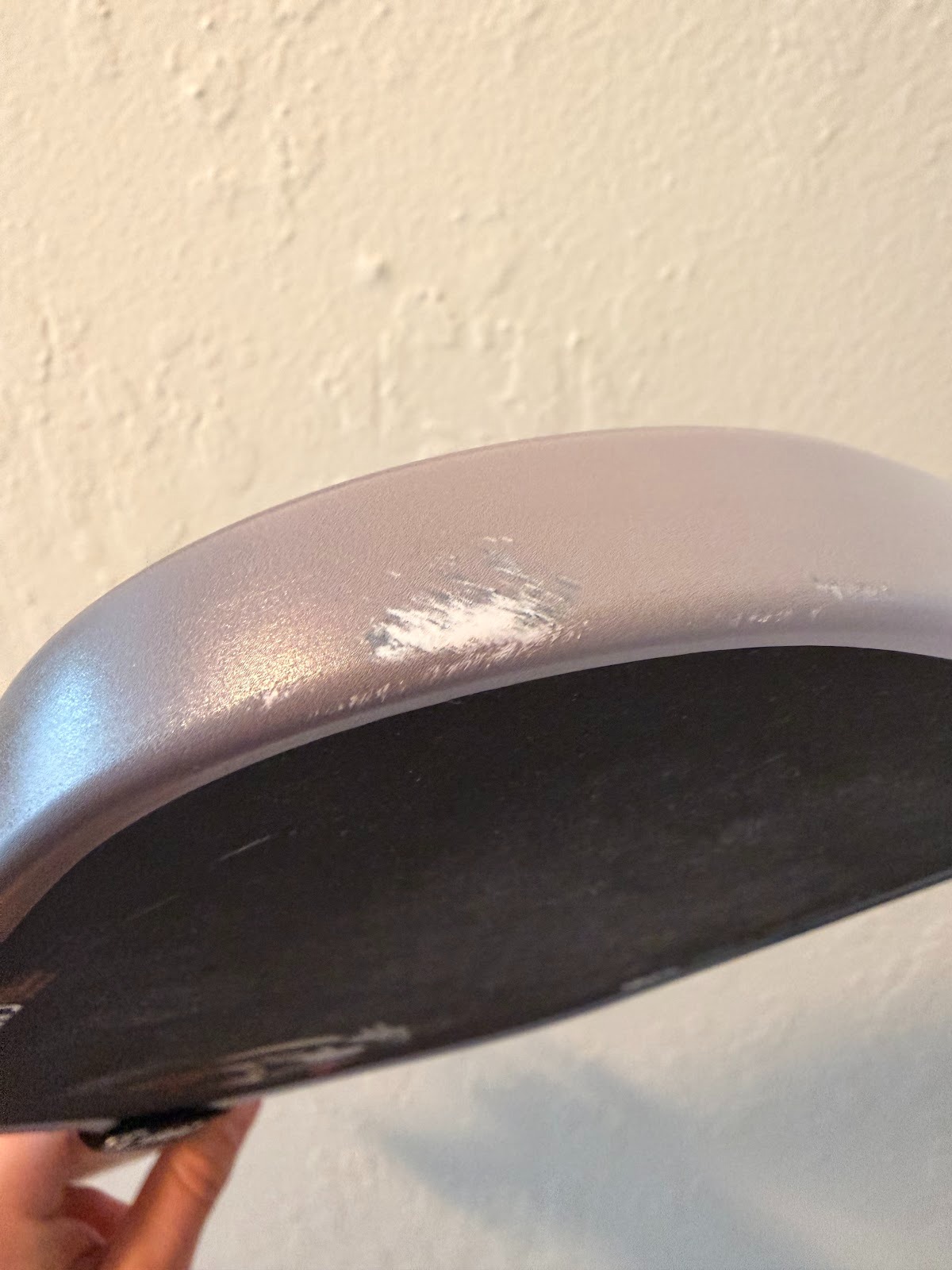
Another very minor drawback of the Cannon and also the Luzz Pro 4 Inferno paddle is the quality of the edge guard. The edge guards are painted so the normal wear and tear of scraping the edges on the court shows the white plastic beneath the paint. Other brands of paddles use colored plastic so when they scrape the court, the color of the edgeguard doesn’t change. This is more of an aesthetic drawback rather than a performance issue so take this with a grain of salt.
There’s no doubt that the Luzz Cannon is one of the better paddles on the market today from a performance perspective, bar none. It is powerful on drives, has a high level of grit that delivers an impressive spin rate, and also has a softer touch on dinks than the new foam core paddles on the market. I would have no problem playing with this paddle at a tournament out of the box and that is further backed up by the amount of professional players using this paddle in tournaments across the globe.
When you add in the price factor of $93 dollars after the discount code, “11pickles” any minor gripes about the paddle can be overlooked. Even if the paddle doesn’t last the full 1 year it’s warrantied for, you can buy 3 of the Cannon’s for the price of the likes of a Selkirk Boomstick or Joola Pro IV. Buy it here.


.webp)