JOOLA Patent Lawsuit: 11 Paddle Brands Sued Over Propulsion Core Technology
JOOLA filed patent infringement litigation with the International Trade Commission on April 7, 2026, targeting 11 paddle manufacturers for allegedly copying its patented Propulsion Core technology. If you play with a JOOLA paddle, a paddle from one of the 11 named brands, or you are just paying attention to where the sport is heading, this case matters. (Full press release on PR Newswire)
The defendants include Franklin Sports, Proton Sports, RPM Pickleball, Engage Pickleball, Friday Labs, Diadem Sports, Facolos, ProXR Pickleball, Paddletek, Adidas Pickleball, and Volair. That is a wide net, covering brands from legacy manufacturers to newer companies that have gained traction in the competitive space.
Here at 11 PICKLES, we have been testing paddles across this entire landscape for years. I have played with JOOLA's Propulsion Core paddles extensively, and I have also spent real court time with paddles from several of the named defendants. So this one hits close to home. Below, we are breaking down every angle of this case: the technology at issue, why the filing venue matters, how Ben Johns fits in, and what it could mean for your next paddle purchase.
What JOOLA Is Claiming in the Patent Lawsuit
JOOLA says it invested years of research, development, and testing into its Propulsion Core technology. The company protects that tech through a portfolio of utility patents, design patents, trademarks, copyrights, and business processes. The claim is that 11 competing brands used the technology without authorization.
JOOLA CEO Richard Lee described the filing as deliberate, not reactive.
"Protecting our innovation is not about limiting what others can do," Lee said in the official announcement. "It is about ensuring the investment, creativity and engineering required to advance this sport are sustained."
Lee was direct about the motivation: "This action is about principle; we cannot accept the unauthorized use of our technology that we worked years to develop."
He also addressed the broader industry: "The brands that will shape the future of this sport are the ones willing to innovate on their own. We encourage every brand to bring their own ideas, their own engineering, and their own creativity."
The specific paddles JOOLA is protecting in this filing include:
- JOOLA 3S (the Hyperion 3S, Ben Johns' signature paddle)
- JOOLA 3S Dual
- JOOLA Pro IV (Perseus and other models)
- JOOLA Pro V (the latest generation, including the Perseus Pro V)
That covers JOOLA's entire flagship lineup, the paddles that have defined their competitive identity over the past several years.
What Is Propulsion Core Technology?
If you have played with a JOOLA paddle from the 3S generation or newer, you already know what Propulsion Core feels like, even if you did not know the name. At 11 PICKLES, we talk about paddle feel a lot, and this technology is a big reason why JOOLA paddles have a specific reputation on the court.
Here is how it works:
- Controlled flex in the paddle core. The Propulsion Core adds a specific type of flex to the interior of the paddle, creating a responsive, spring-like effect on contact.
- Power without extra swing speed. That spring-like response lets you generate more pace on drives, counters, and speed-ups without swinging harder. The paddle contributes more energy to the shot.
- Consistent response across the face. Where some paddles feel noticeably different on off-center hits, the Propulsion Core maintains a more uniform response.
The practical result is what players often describe as "easy power." You still control the shot, but the paddle amplifies your input. I notice it most on counter-attacks at the kitchen line, where you do not have time for a full swing but still need to generate pace. If you are newer to the sport and want to understand what separates paddle technologies at this level, our breakdown of the best pickleball rackets for beginners is a good starting point.
JOOLA has been iterating on this technology across multiple generations:
- Gen 3 (Hyperion 3, Hyperion 3S): The first generation of Propulsion Core
- Pro IV: Refined the core for better control and dual certification
- Pro V (Perseus Pro V): The latest version, pairing Propulsion Core with updated surface technology
The fact that JOOLA chose to file with the ITC to protect this technology says a lot about how central it is to their product strategy.
The 11 Paddle Brands Named in the Lawsuit
Here is the full list of defendants, along with context on each:
- Franklin Sports: One of the largest sporting goods companies in the United States. They make paddles across every price point.
- Proton Sports: A newer brand that has gained traction in the competitive space with aggressive pricing.
- RPM Pickleball: Known for high-performance paddles popular with tournament players.
- Engage Pickleball: An established brand with roots in the sport's earlier growth years. They have been making paddles for a long time.
- Friday Labs: The parent company behind Friday Pickleball, which makes paddles and accessories.
- Diadem Sports: Originally a tennis brand that expanded into pickleball with carbon fiber paddles.
- Facolos: A smaller brand that has grown through direct-to-consumer sales and competitive pricing.
- ProXR Pickleball: Known for their elongated paddle shapes and pro player endorsements.
- Paddletek: One of the original pickleball paddle manufacturers, founded in 2010. They developed the first polymer honeycomb pickleball paddle.
- Adidas Pickleball: The sportswear giant's pickleball division. 11 PICKLES covered the Federico Staksrud Adidas pickleball paddle switch earlier this year, and our previous piece on Federico Staksrud Joola PPA Tournamnet adds useful context. That player movement looks different now.
- Volair: A premium paddle brand positioning itself as a high-performance alternative.
As of this writing, none of the 11 defendants have released public statements. That is typical for patent infringement cases; legal teams usually advise silence until a formal response is ready. We will update the 11 PICKLES community as statements come in.
Why JOOLA Filed With the ITC Instead of Federal Court
This detail matters more than most coverage will explain, so we want to give it the attention it deserves. JOOLA did not go to a regular federal court. They went to the International Trade Commission, and that choice tells you something about their strategy.
Here is why the ITC route is significant:
- Speed. ITC investigations typically resolve in 15 to 19 months. Federal patent cases can take 3 to 5 years or longer.
- Import blocking power. The ITC can issue exclusion orders that block infringing products from entering the United States at the border. For paddle companies manufacturing overseas, which is most of them, that is a serious consequence.
- No monetary damages. The ITC does not award money. It blocks imports. That means JOOLA is not chasing a payout. They want to stop what they believe is unauthorized use of their technology.
- Does not prevent additional lawsuits. JOOLA could still file separately in federal court for monetary damages. The ITC case could be the first step, not the only one.
For players, the practical implication is straightforward: if JOOLA wins and the ITC issues exclusion orders, certain paddles from these brands could become unavailable for purchase in the United States going forward. The orders would not affect paddles you already own, but they could disrupt future supply.
The Ben Johns Connection
Ben Johns plays with the JOOLA Hyperion 3S, one of the paddles at the center of this case. His relationship with JOOLA goes beyond a standard endorsement; his input has shaped the development of these paddles over multiple generations.
Here is the competitive context that 11 PICKLES readers should keep in mind:
- Ben Johns has won more PPA Tour titles than any player in history
- He plays with the JOOLA Hyperion 3S, featuring Propulsion Core technology
- Multiple PPA Tour players have switched to JOOLA in recent years, in part because of how the Propulsion Core performs
- When other brands replicate that feel and performance, it cuts into the competitive advantage JOOLA and its athletes have built around this tech
This case is directly connected to the equipment the top players in the sport rely on. For more on the players and teams shaping competitive pickleball right now, check out our best pickleball players coverage.
JOOLA's Gen 3 Class Action: Different Case, Worth Knowing
If you hear "JOOLA" and "lawsuit" and think you have seen this before, you are probably thinking of a different case. In 2025, JOOLA (operating as Sport Squad Inc.) settled a class action lawsuit for $790,000 over allegations that it misrepresented certain Gen 3 paddles as USA Pickleball approved when they were not.
These two cases are unrelated:
- The Gen 3 class action was a consumer protection issue about marketing claims and certification status. JOOLA was the defendant.
- This new patent case is about protecting proprietary technology. JOOLA is the plaintiff.
The Gen 3 settlement was a misstep on the marketing side. This patent filing is JOOLA's engineering and legal teams protecting what they built. Different teams, different issues, different stakes.
What This Means for Pickleball Players and the Industry
We cover gear and the business side of pickleball closely at 11 PICKLES, so here is our honest read on what this case could mean.
For Recreational Players
If you own a paddle from one of the 11 named brands, your paddle is fine. Even if JOOLA wins the ITC case, exclusion orders apply to future imports, not products already in the country.
That said, if you have been considering a paddle from one of these brands, it is worth keeping this case on your radar. Depending on how the ITC process plays out, some models could face supply disruptions down the line.
For the Paddle Industry
The pickleball paddle market has grown fast, and a portion of that growth has come from brands studying what works and building something similar rather than investing in original R&D. This case challenges that approach, at least when it comes to JOOLA's patented technology.
If JOOLA succeeds, some likely ripple effects:
- Other brands with patents could file similar cases
- More investment in original paddle R&D across the industry
- Potential price increases as companies develop proprietary technology
- Possible consolidation among smaller brands that relied on similar designs
For the Sport
There is a real tension here. Protecting innovation matters. If companies cannot benefit from their R&D, they invest less, and paddle technology stalls. JOOLA CEO Richard Lee makes a fair point: "The brands that will shape the future of this sport are the ones willing to innovate on their own."
At the same time, aggressive patent enforcement can limit options and push prices up. Pickleball has grown because it is accessible. Higher paddle prices cut against that.
The best outcome for players is probably somewhere in the middle: JOOLA's patents hold where the technology is genuinely novel, other brands respond by developing their own innovations, and players end up with more variety, not less. That is competition through original engineering, and it is better for everyone.
Paddles at the Center of This Case
Since we are talking about the technology JOOLA is protecting, here are the paddles worth knowing about. We are also including some alternatives from brands doing their own thing, because 11 PICKLES readers who are shopping right now deserve options. For a broader look at the paddle landscape, our best pickleball brands breakdown covers who is making what and why it matters.
JOOLA Ben Johns Hyperion 3S 16mm
This is the paddle Ben Johns plays with and the one that made Propulsion Core well known. The 16mm core thickness gives you a solid blend of power and control. I have hit with this paddle a lot, and the "easy power" reputation holds up. You feel the Propulsion Core most on quick exchanges at the net.
JOOLA Perseus Pro V 16mm
The latest generation of JOOLA's pro line. The Pro V pairs Propulsion Core with updated surface technology for more spin potential. At $299.95, it is a premium paddle, but you are getting the most current version of the technology at the center of this case.
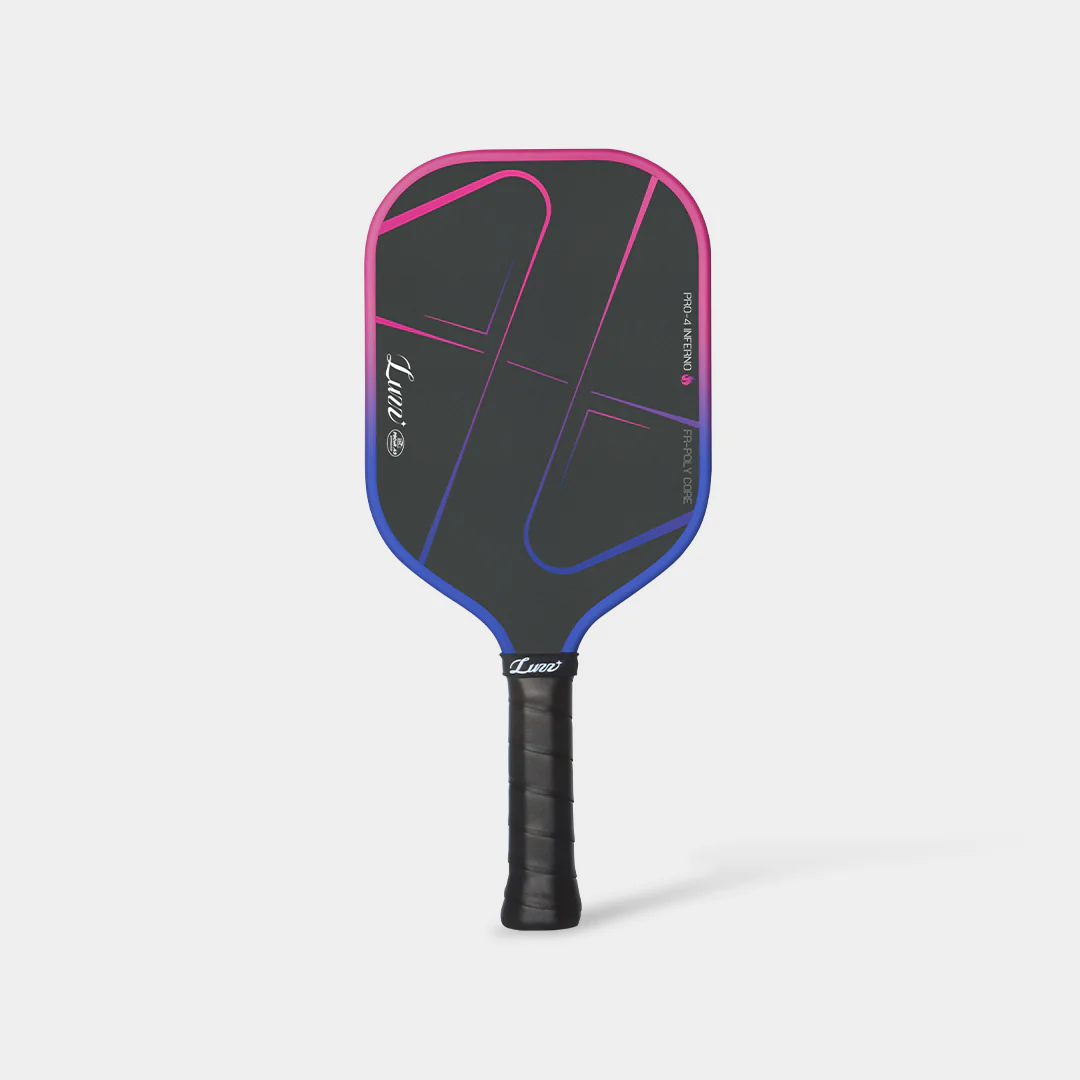
Luzz Pro 4 Inferno
If this lawsuit has you thinking about brands that develop their own technology from the ground up, Luzz is a name worth knowing. The Luzz Pro 4 Inferno is a power paddle with its own core design and a feel that is distinctly different from the JOOLA lineup. We reviewed it in detail at 11 PICKLES, and it performs well above its price point.
Use code 11PICKLES for 15% off at Luzz
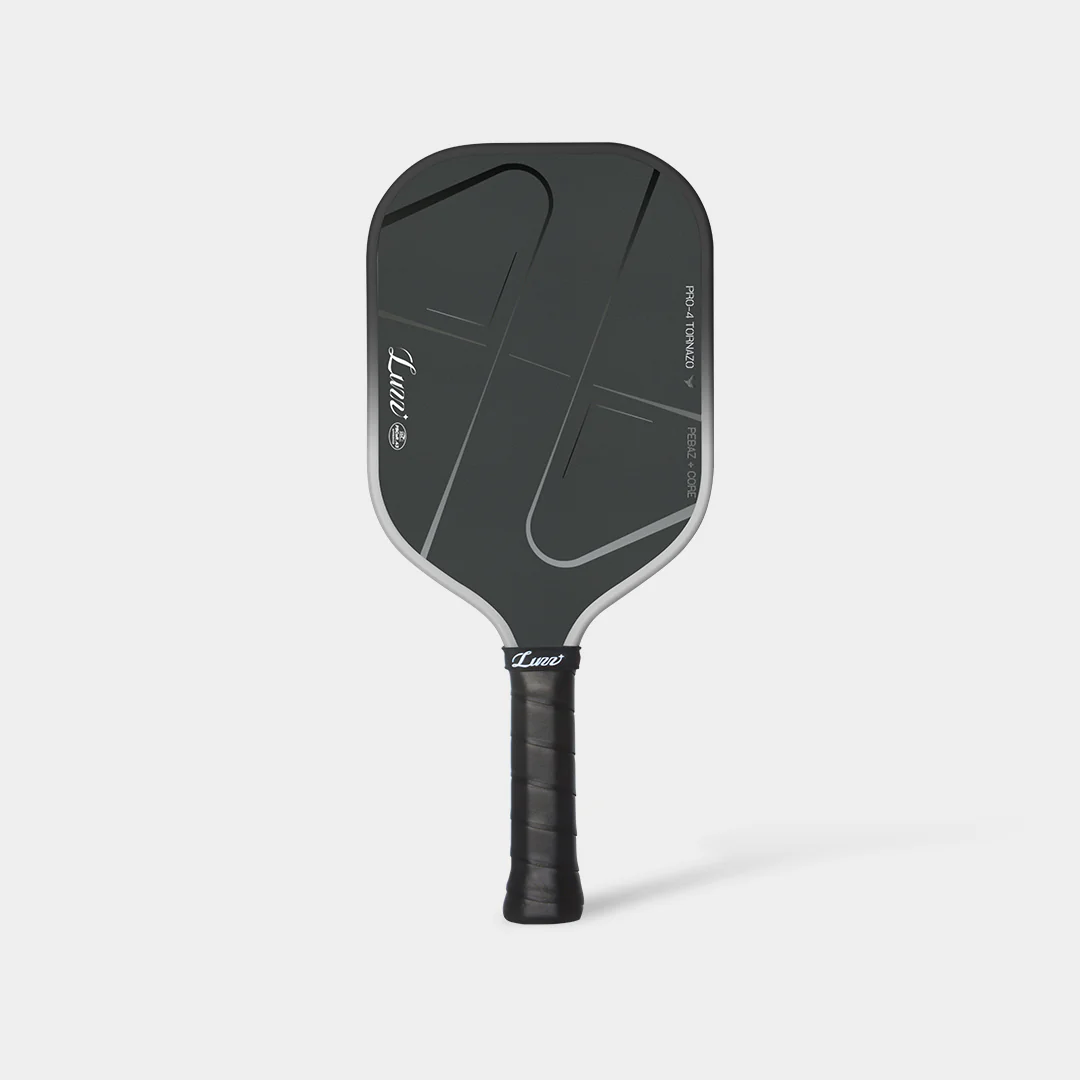
Luzz Pro 4 Tornazo
The control-oriented counterpart to the Inferno. Same original engineering, different performance profile. If you prioritize touch and placement over raw power, this is the Luzz paddle to consider.
Use code 11PICKLES for 15% off at Luzz
Luzz Cannon
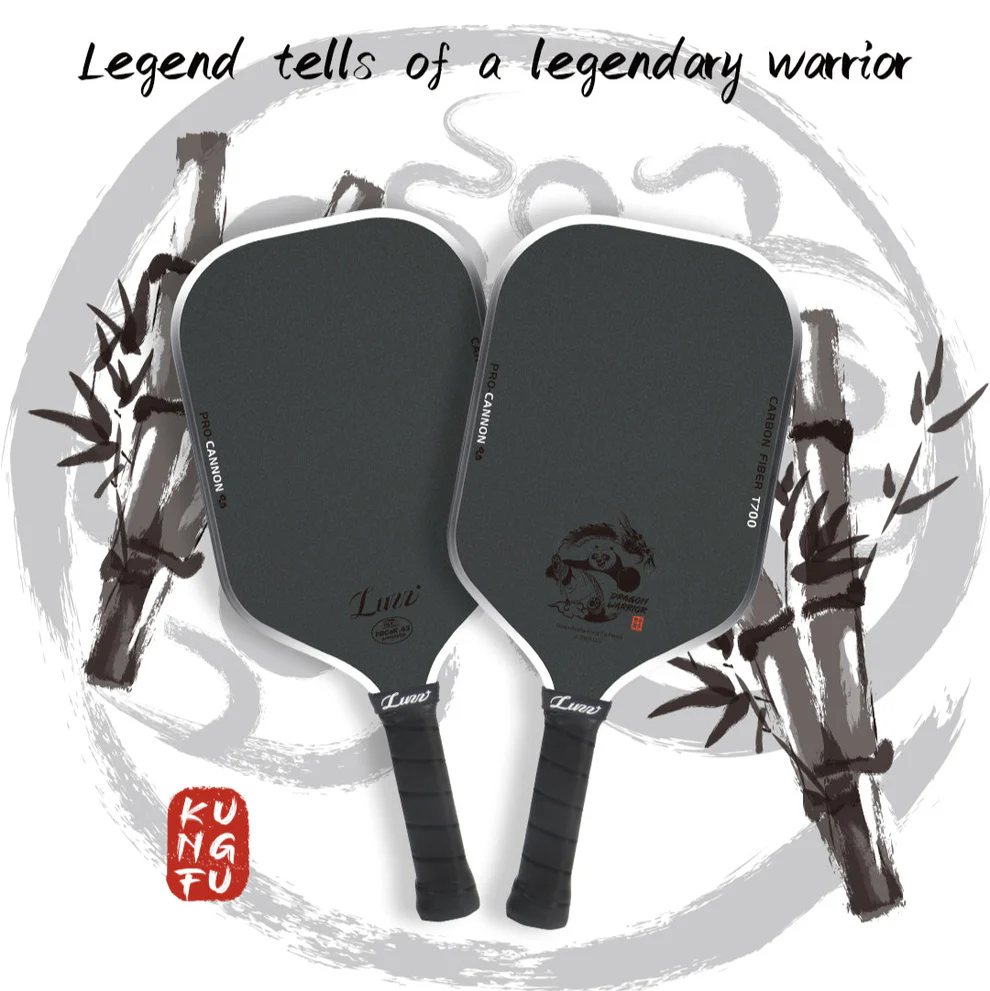
Luzz's most popular paddle, and the one that put them on our radar at 11 PICKLES. The Cannon delivers strong power and spin from Luzz's own engineering. If you want a high-performing paddle from a brand building its own path, this is a good starting point.
Use code 11PICKLES for 15% off at Luzz.
Frequently Asked Questions
What Companies Did JOOLA Sue for Patent Infringement?
JOOLA filed patent infringement litigation against 11 paddle brands: Franklin Sports, Proton Sports, RPM Pickleball, Engage Pickleball, Friday Labs, Diadem Sports, Facolos, ProXR Pickleball, Paddletek, Adidas Pickleball, and Volair. JOOLA filed the case with the International Trade Commission on April 7, 2026, alleging unauthorized use of its patented Propulsion Core technology.
What Is JOOLA's Propulsion Core Technology?
Propulsion Core is JOOLA's patented paddle core technology that adds controlled flex to the paddle's interior, creating a responsive, spring-like effect. It allows players to generate more power on drives and speed-ups without swinging harder. JOOLA uses this technology across its 3S, Pro IV, and Pro V paddle lines, including the Ben Johns Hyperion 3S.
Will This Lawsuit Affect Paddles I Already Own?
No. If you currently own a paddle from one of the 11 named brands, the JOOLA patent case will not affect your existing equipment. ITC exclusion orders, if granted, apply to future imports of infringing products into the United States. They do not impact products already in the market. However, an ITC ruling in JOOLA's favor could affect future availability of certain paddle models.
Why Did JOOLA File With the ITC Instead of a Regular Court?
JOOLA filed with the International Trade Commission because the ITC can block imports of infringing products at the U.S. border. ITC investigations also move faster than federal court cases, typically resolving in 15 to 19 months compared to 3 to 5 years. For paddle companies that manufacture overseas, an ITC exclusion order could prevent their products from entering the United States entirely.
Is This Related to the JOOLA Gen 3 Class Action Settlement?
No. The Gen 3 class action was a separate consumer protection case where JOOLA settled for $790,000 over allegations of misrepresenting paddle certification status. This new patent case is about JOOLA protecting its intellectual property. JOOLA is the plaintiff in this case, not the defendant.
What Comes Next
The ITC process will play out over the next 15 to 19 months. There will be responses from the named brands, potentially settlements, and rulings that could affect what paddles are available in the United States. 11 PICKLES will be covering every development as it happens.
And 11 PICKLES, while you are here, check out our Etsy shop for pickleball gear and merch. If you want to stay up to date on everything happening in pickleball, from breaking news like this to gear reviews, tournament coverage, and strategy guides, subscribe to the 11 PICKLES newsletter. We are here for all of it.
For more pickleball news, check out our latest news coverage. Looking for your next paddle? Browse our gear reviews. And for a full rundown of who is making what, start with our best pickleball brands breakdown.
Some links on this site are affiliate links, which means if you click and buy, we earn a little something. It does not cost you extra, but it helps us keep the pickleball content flowing.


.webp)