How to Run a Pickleball Tournament: The Complete Guide
The last tournament I played in started 40 minutes late because the organizer did not realize that 24 teams in double elimination on 4 courts takes 9 hours, not 5. By game three, the bracket was a mess. By game six, players were leaving. The organizer was a great person who loved pickleball and wanted to do something good for the community. They just did not have a guide like this one.
At 11 PICKLES, we play pickleball every single day. We train with pros. We compete in tournaments regularly, and we have been on both sides of tournament organization, from the player wondering why their match is two hours behind schedule to the person running the bracket and realizing the math does not work. We cover every PPA Tour event on this site, we know what professional-level tournament operations look like, and we have seen firsthand what separates a tournament people talk about for months from one people never come back to.
Pickleball is the fastest-growing sport in America, and the demand for organized competitive play has never been higher. Whether you are planning a small club round robin for 16 players or a sanctioned regional event for 200+, this guide gives you everything: timelines, formats, budgets with real dollar amounts, registration platforms, 2026 rule updates, day-of logistics, and the mistakes that will ruin your event if you do not see them coming.
Planning Timeline: How Far in Advance to Start
The biggest mistake first-time organizers make is not starting early enough. Here is how much lead time you actually need based on tournament size.
- Small club event (16-32 players): 6-8 weeks minimum
- Regional tournament (100-200 players): 3-4 months
- Large sanctioned tournament (200+ players): 4-6 months
- USA Pickleball sanctioned event: Apply well in advance; the current season runs September 1, 2025 through August 31, 2026
Planning Milestones
- 4-6 months out: Define the purpose, set the date, secure the venue, choose the format
- 3-4 months out: Set up the registration platform, open early-bird registration, begin marketing
- 2-3 months out: Recruit volunteers, secure sponsors, order equipment and merchandise
- 1 month out: Finalize brackets, confirm staff, send participant communications
- 1 week out: Final venue walkthrough, test equipment, print materials
- Day before: Set up courts, registration area, signage, test the PA system
- Day of: Execute
Choosing a Venue
Your venue choice affects everything from format to player experience. Here is what to evaluate when comparing indoor and outdoor options.
Indoor vs. Outdoor
- Weather risk: Indoor has none. Outdoor requires a rain plan.
- Cost: Indoor is higher (gym or facility rental). Outdoor is lower (public parks, schools).
- Noise: Gyms echo. Plan for acoustics. Outdoor is less contained.
- Lighting: Indoor must be even with no shadows. Outdoor courts should be oriented north-south to minimize sun glare.
- Ceiling height: Indoor needs minimum 18+ feet for lobs.
- Amenities: Indoor usually has built-in restrooms and parking. Outdoor may need portables.
Court-to-Player Ratio
This is the number most organizers get wrong. The rule of thumb is 1 court per 4-5 teams for smooth match flow.
- 1-2 courts: Small club event (8-16 players), round robin or ladder format
- 2-3 courts: 16-32 players, round robin or double elimination
- 4-5 courts: 32-64 players, pool play into double elimination
- 6+ courts: 64+ players, pool play into single or double elimination with consolation brackets
Always designate 1-2 courts for warm-up. Players appreciate 5-10 minute warm-up slots before matches.
Venue Amenities Checklist
- Adequate parking
- Restrooms (portable if outdoor)
- Shaded areas and covered seating for spectators
- Water stations
- Space for registration and check-in
- Vendor or food truck space
- PA system access or power outlets
- Wi-Fi (for live scoring and bracket updates)
- First aid station area
One detail organizers consistently underestimate is lighting especially for evening matches or indoor venues. Poor visibility, glare, or uneven coverage can directly impact match quality and player experience. Here’s a deeper look at pickleball court lighting layout and how to get it right.
Tournament Formats: Which One to Use
Choosing the right format depends on how many courts you have, how many players registered, and how much time you have. Here is a breakdown of every major format with pros, cons, and when to use each one.
Round Robin
Every player or team plays every other player or team in their division. Best for small brackets (6 teams or fewer per pool). The optimal size is 7 players per bracket, which balances playtime with duration.
- Pros: Guarantees multiple matches for everyone. Reduces early elimination frustration. Favorite format among recreational players.
- Cons: Time-consuming with larger brackets. Requires high court availability. Can result in tiebreaker complexity.
- Best for: Club events, social tournaments, smaller fields.
Single Elimination
Lose once, you are out. Simple bracket progression until one team remains.
- Pros: Simple to run. Fast-moving. Fewer courts needed. Great for large turnouts and one-day events.
- Cons: Half the field plays only one match. Frustrating for players who travel.
- Best for: Large fields, limited time, highly competitive events.
Double Elimination
Players are not eliminated until they lose twice. Creates a winners bracket and a losers bracket.
- Pros: Gives every player at least two matches. More fair. Considered the "gold standard" for competitive tournaments.
- Cons: Takes longer. More complex bracket management. Can be confusing for new players.
- Best for: Competitive events with 2+ courts.
Pool Play Into Bracket Play
The most common format for larger tournaments. Stage 1: players divided into pools of 3-5, play round robin within pools. Stage 2: top finishers from each pool advance to single or double elimination.
- Pros: Combines guaranteed playtime with competitive bracket. Creates natural seeding. Great for large fields.
- Cons: Takes longer. More complex to manage.
- Best for: 3+ courts, sanctioned events, regional and national tournaments.
Other Formats
- Ladder tournament: Players ranked on a ladder, challenge those above them. Works with just 1 court. Best for ongoing competitions.
- Scramble: Players register individually, accumulate points across matches. Keeps engagement high regardless of win-loss.
- Progressive elimination: Losers move to lower tiers instead of being eliminated entirely.
Match Timing Math
Build your schedule around these estimates:
- Game to 11 points: approximately 20 minutes
- Game to 15 points: approximately 30 minutes
- Best-of-3 matches: 45+ minutes (longer at higher skill levels)
- Add 5-10 minutes buffer between matches for transitions
Registration, Divisions, and Seeding
Getting registration right sets the tone for the entire event. Here is how to handle sign-ups, skill divisions, and bracket seeding.
Registration Platforms
There are eight USA Pickleball-approved platforms. The most popular:
- PickleballTournaments.com / Pickleball.com: Industry standard for competitive events; integrated ratings and live scoring; access to 400,000+ player database for email marketing
- Pickleball Brackets: Popular bracket management with DUPR integration
- Swish Tournaments: Automated brackets, leagues, round robins; DUPR API integration
- Global Pickleball Network: Free tournament software option (great for casual events)
- Google Forms: Works for very small, informal tournaments
Setting Up Skill Divisions
Use DUPR ratings to create fair brackets. The scale runs from 2.00 to 8.00:
- 2.5-3.0: Beginner
- 3.0-3.5: Intermediate
- 3.5-4.0: Advanced intermediate
- 4.0-4.5: Advanced
- 4.5-5.0: Open/elite
- 5.0+: Professional
Most recreational players fall between 2.5 and 4.5. If you are running a local event, three or four divisions are usually enough. Merge brackets with fewer than 5 players. Allow "playing up" for competitive players who want a challenge.
Age Group Divisions
Standard USA Pickleball age groups: 18-39, 40-49, 50-59, 60-69, 70+. Junior divisions: 12U, 14U, 18U. Age is determined by the player's age on December 31 of the tournament year.
Seeding and Byes
- Use DUPR-based seeding when possible (most platforms auto-seed)
- Place top seeds on opposite sides of the bracket to avoid early matchups
- Byes are needed when player count is not a perfect power of 2 (4, 8, 16, 32, 64). Highest-seeded players receive byes.
Rules, Scoring, and Officiating
Getting the rules right prevents confusion and complaints. Here is what tournament directors need to know for 2026.
Scoring Options
- Traditional (side-out) scoring: Only the serving team scores. Games to 11, win by 2. Score announced as three numbers (e.g., 7-5-1).
- **Rally scoring in pickleball:** Every rally produces a point. Games typically to 15 or 21, win by 2.
2026 Rally Scoring Update
USA Pickleball continues rally scoring as a provisional format in 2026. Tournament directors can use rally scoring EXCEPT for double-elimination doubles events, all 2026 Golden Ticket events, and the 2026 National Championships. New for 2026: the game-winning point can now be scored by either the serving or receiving team. Previously, only the serving team could score game point, which created an unfair advantage for the trailing team.
Officiating Options
- Standard format: Certified USA Pickleball referees for all matches
- Medal Match Plus (MMP): Referees for medal matches only (most common for mid-size events)
- No-referee format: Self-officiated. Players call their own lines. Best for casual and club tournaments.
Always designate one final authority for disputes, even in self-officiated events.
If you’re planning to use referees or want to get involved yourself, check out this guide on how to become a pickleball referee.
Budgeting With Real Numbers
Most tournament guides tell you to "create a budget" without giving you actual figures. Here is what things actually cost.
Revenue
- Entry fees: $20-$75 per event (local); $80-$130 registration + $40-$55 per event (regional)
- Sponsorships: $200-$2,000 per local sponsor (logo on nets, banners, shirts)
- Vendor fees: Charge food trucks and vendors for booth space
- Merchandise sales: Tournament shirts, hats, accessories
Expenses
- Venue rental: $500-$2,000 (public parks/schools) to $2,000-$65,000+ (private facilities)
- Pickleballs: $200-$500
- Nets (if not provided): $500-$1,500
- Trophies/medals: $3-$10 per piece
- Tournament shirts: $4-$8 per shirt at bulk pricing
- Banners/signage: $50-$150 per banner
- Food/refreshments: $400-$2,000
- Portable restrooms (outdoor): $200-$1,000
- Prize money: $0 (medals only) to $300,000+ (professional events)
Total Budget Ranges
- Small local event: ~$5,000
- Mid-size regional tournament: $10,000-$25,000
- Large professional tournament: $50,000-$100,000+
Quick math: if entry fees are $50 per player and you have 100 players, that is $5,000 in registration revenue. Sponsorships and vendor fees cover the gap.
USA Pickleball Sanctioning
Sanctioning your tournament through USA Pickleball adds credibility, insurance coverage, and access to the Tournament Point System. Here is what you need to know.
Benefits of Sanctioning
- Liability insurance: $2 million general aggregate, $1 million personal injury coverage
- Free equipment: 100 Franklin X-40 or X-26 balls for sanctioned events
- TPS points: Players earn ranking points based on tournament tier
- Marketing support: Listed on USA Pickleball's tournament calendar
- Credibility: Sanctioned events attract more competitive players
Format Options
- Standard: Certified referees for all matches
- Medal Match Plus (MMP): Referees only for medal matches
- No-Referee: Self-officiated (lowest cost option)
Requirements
- Tournament director must be a USA Pickleball member ($12-$60/year)
- Follow USA Pickleball rules and equipment standards
- Use an approved registration platform
- Apply through USA Pickleball's tournament sanctioning portal
Marketing Your Tournament
Do not wait until the week before. A well-timed marketing plan builds momentum and fills brackets. Start promotion 8-12 weeks before the event.
Marketing Channels
- Email campaigns: Target players within a 200-250 mile radius. Platforms like Pickleball.com offer access to 400,000+ player database.
- Social media: Facebook page + event, Instagram, TikTok (short-form video of the venue, past events, prizes)
- Local clubs and rec centers: Flyers, word of mouth, announcements at open play
- Tournament platform social feeds: When a player signs up, their friends see it, creating organic momentum
- Local businesses: Cross-promotion with coffee shops, gyms, sporting goods stores
- Community boards: Facebook neighborhood groups, NextDoor, Reddit
Marketing Tactics
- Offer early-bird pricing with a deadline to drive early sign-ups
- Run tag-a-friend giveaways
- Use QR codes on flyers for easy mobile registration
- Post countdown content on social media
- Share player spotlights and division updates as registration fills
Day-of Logistics
This is where preparation meets execution. Here is a minute-by-minute approach to running a smooth tournament day.
Morning Setup
- Arrive 2+ hours before the first match
- Set up registration/check-in area with printed brackets, waivers, and player packets
- Verify all nets are at correct height (34 inches at center, 36 inches at sidelines)
- Place scoreboards, court number signs, and wayfinding signage
- Test the PA system
- Set up water stations and first aid
- Brief all volunteers on their roles and communication protocol
During the Tournament
- Announce matches on the PA system with enough lead time for warm-ups
- Update brackets in real-time (digital + physical backup)
- Maintain printed brackets as backup for tech failures
- Keep the tournament moving. If a match runs long, communicate delays to players waiting.
- Use walkie-talkies or a group chat for staff coordination
- Announce upcoming matches 10-15 minutes in advance
Post-Tournament
- Post final results to the registration platform and DUPR
- Award medals/prizes in a brief ceremony with announcements
- Take photos (podium shots, group photos, action shots)
- Send thank-you emails to players, volunteers, and sponsors within 48 hours
- Collect feedback via a short survey
- Share results, photos, and highlights on social media
- Debrief with your team on what worked and what to improve
Common Mistakes That Will Ruin Your Tournament
These are not hypothetical. I have watched every single one of these happen at real events. Some of them happened at events I was playing in, and I watched the organizer's face when they realized the problem.
- Picking the format before counting your courts. I played in a double elimination tournament on 3 courts with 32 teams. We were there for 11 hours. The organizer picked the format they liked instead of the format the court count supported. Match your format to your courts, not the other way around.
- No buffer time between matches. If your schedule has Match 1 ending at 10:20 and Match 2 starting at 10:20, your schedule is fiction. By noon, you will be 45 minutes behind. Build in 5-10 minutes between every match.
- Marketing the week before. I have seen organizers with 12 players registered three days before a tournament designed for 64. Start 8-12 weeks out. Use the 200-250 mile email radius on platforms like Pickleball.com. Run early-bird pricing. Create urgency.
- No rain plan for outdoor events. "It probably won't rain" is not a plan. Communicate the rain policy (postpone vs. cancel vs. move indoors) in the registration confirmation email. Players drove hours to be there.
- Trusting Wi-Fi with your brackets. The app will crash. The Wi-Fi will drop. Print your brackets. Tape them to a board. Have a physical backup for everything digital.
- Too many skill divisions for a small field. Eight divisions with 3 players each means nobody plays anyone and nobody has fun. Merge brackets under 5 players. Offer "playing up" as an option.
- Skipping the volunteer briefing. Your volunteers are your tournament. If they do not know where the first aid kit is, how to report scores, or what to do when two players disagree on a line call, you will be running from court to court all day putting out fires.
- No PA system. You cannot yell loud enough across 8 courts. Players will miss their matches. You will lose your voice by 11 AM. Rent a PA system or bring a portable Bluetooth speaker with a microphone.
- No water stations. People are playing for hours in the sun. This is a health issue, not a hospitality nice-to-have. Set up water at minimum.
- Forgetting to post results to DUPR. Players care about their ratings. If results do not update, you will hear about it. Use a platform that auto-posts to DUPR.
Tournament Prizes and Player Swag
The prizes and swag you offer set the tone for the event. Here is what works at different levels.
For medals and trophies, budget $3-$10 per piece. Players care more about the competition than the hardware, but a quality medal still ends up on someone's shelf.
For player swag bags, tournament shirts ($4-$8 bulk), overgrips, and stickers are the staples. If you want to include premium items, paddles from brands we have reviewed make excellent raffle prizes or division winners' gifts:
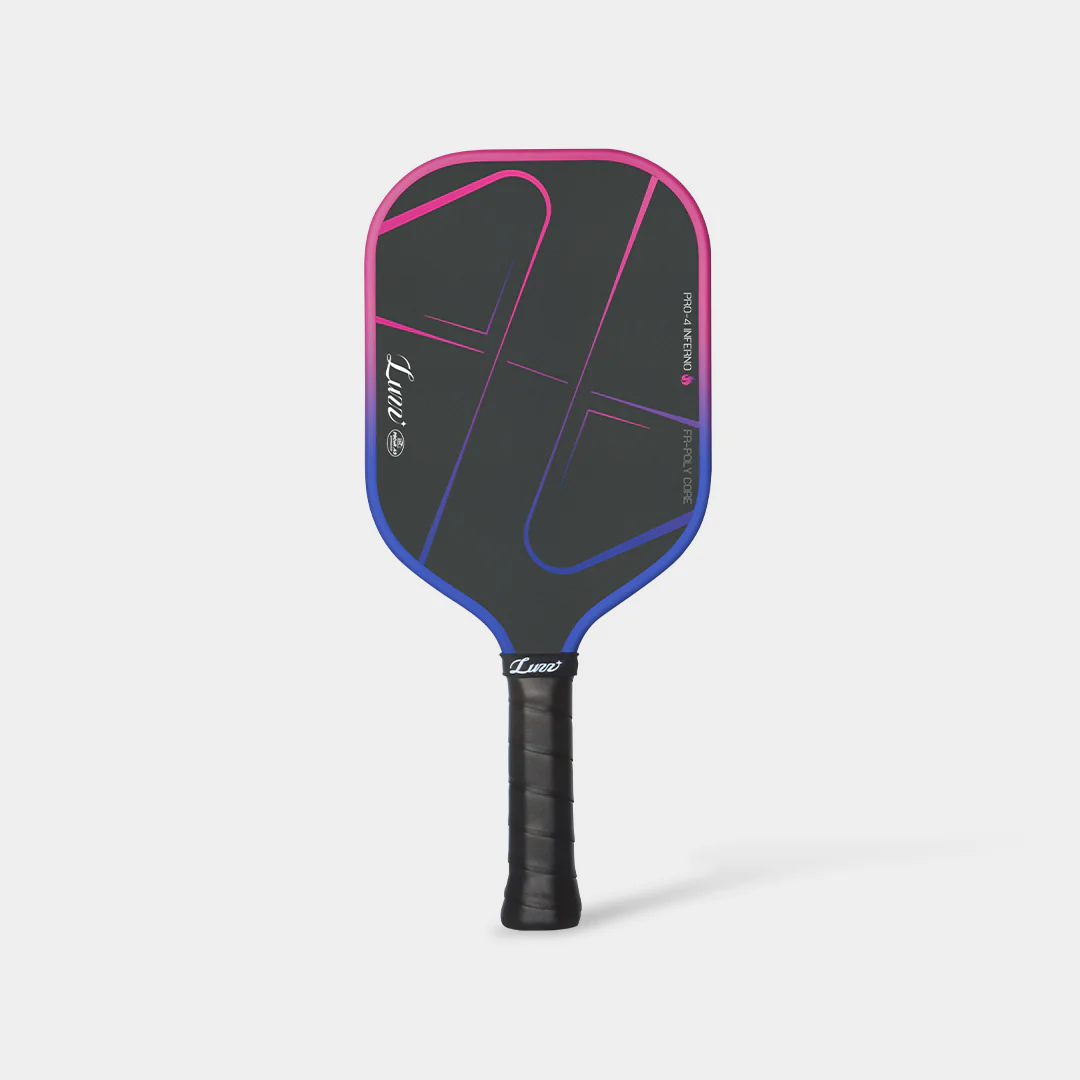
Luzz Pro 4 Inferno Pickleball Paddle Review (power paddle, great top-prize for competitive divisions)
Luzz Pro 4 Tornazo Pickleball Paddle Review (control paddle, excellent raffle item)
GRUVN LAZR 16HD Pickleball Paddle Review (value paddle, great for consolation bracket prizes)
Use code 11PICKLES for 15% off at Luzz and 10% off at GRUVN.
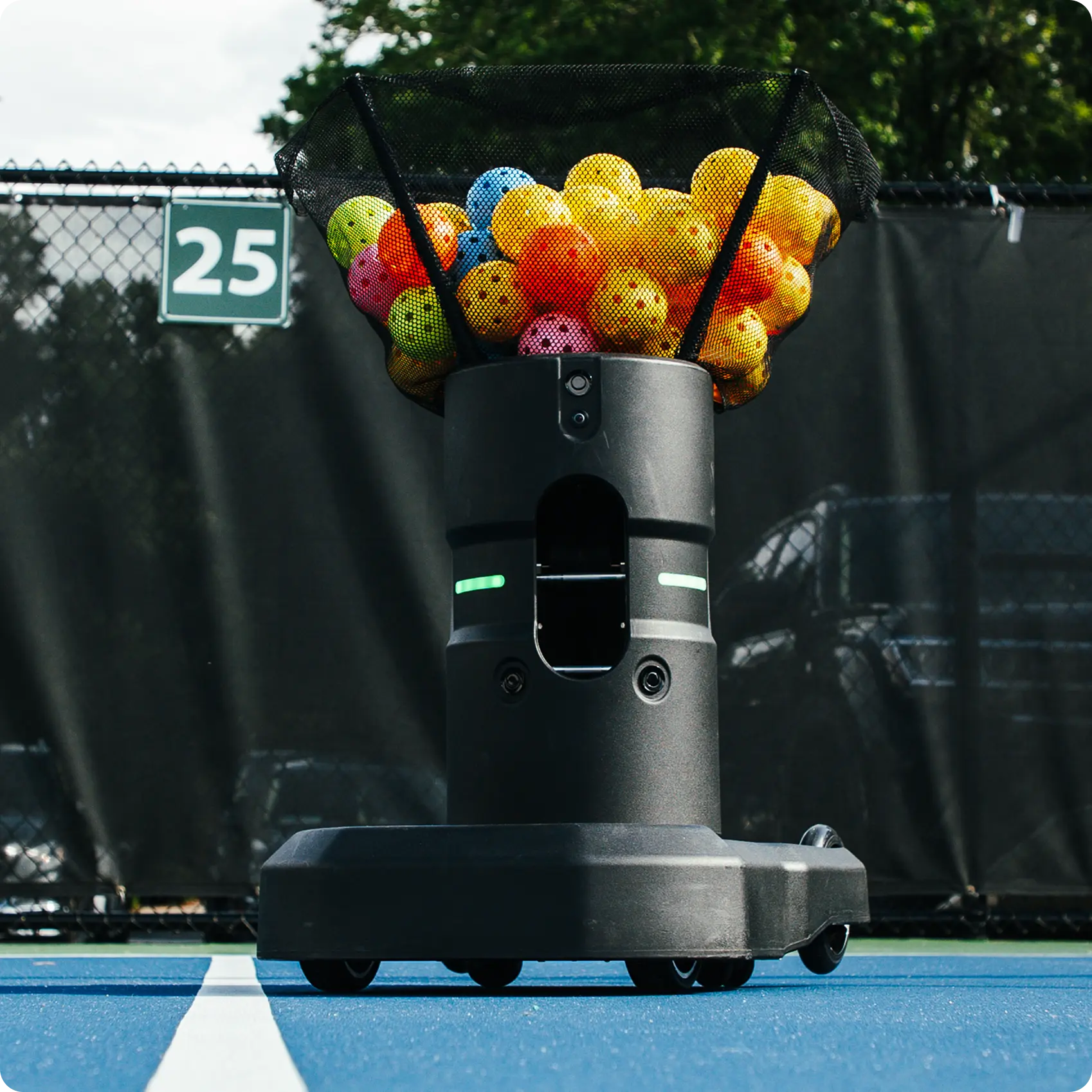
For larger events, consider partnering with the Tennibot pickleball machine as a grand prize raffle item. An AI-powered ball machine as a tournament raffle prize generates buzz and drives ticket sales.
Save $50 with code 11PICKLES on the Tennibot Partner.
For tournament apparel and branded merch, the 11 PICKLES Etsy shop carries pickleball lifestyle gear that works for player gifts and event swag.
Charity and Fundraiser Tournaments
These are some of the most popular events in pickleball. Keep entry fees reasonable ($25-$50), add a raffle or silent auction, and partner with local sponsors. Round robin format works best because it maximizes playtime and keeps the atmosphere social.
Club Tournaments
Monthly or quarterly events for your regular playing group. Low overhead, simple formats (round robin or ladder), and no sanctioning needed. These build community and keep players engaged between larger events.
Corporate and Team-Building Events
Short format (2-3 hours), mixed skill levels, emphasis on fun over competition. Provide basic instruction for beginners, use rally scoring for faster games, and include food and social time.
Youth Tournaments
USA Pickleball offers standard junior divisions (12U, 14U, 18U). All junior events are typically co-ed. Use round robin or pool play to guarantee multiple matches for every kid.
Golden Ticket Events
USA Pickleball Golden Ticket tournaments are pathways to the National Championships. These are sanctioned, competitive, and attract serious amateur players. They require full sanctioning and certified referees.
If you are new to competitive play and want to understand the rating system before entering a tournament, read pickleball rating system for a full breakdown of how DUPR ratings work.
[EMBED: YouTube video - Search for "how to run a pickleball tournament" or "pickleball tournament planning guide" from channels like Pickleball Channel, Swish Tournaments, or USA Pickleball]
Running a Pickleball Tournament by the Numbers
- 48.3 million Americans have played pickleball in the past 12 months
- 82,613+ pickleball courts in the US
- 18,258 pickleball locations nationwide
- 144 USA Pickleball sanctioned tournaments in 2025
- $2.2 billion global pickleball market (2024)
- 34.8 years: average player age
- 1 court per 4-5 teams: the ratio for smooth tournament flow
- 20 minutes: average time per game to 11
- 7 per bracket: the sweet spot for round robin divisions
Running a tournament is one of the best things you can do for your local pickleball community. It brings people together, it gives players a reason to improve, and it builds the kind of energy that keeps courts full and growing. The logistics are real, but if you plan early, pick the right format for your court count, and communicate clearly, you will pull off something people remember.
And 11 PICKLES, if you are organizing a tournament and want gear for prizes, player swag, or merch for your event, check out our Etsy shop. We have run tournaments, played in tournaments, and covered professional tournaments across the country on this site. If you want to see how the pros do it, check out our PPA Tour coverage for recaps, results, and analysis from every major event. For more on improving your game before your next tournament, explore our gear reviews, strategy guides, and beginner content. We are here for all of it.
Transparency is key in pickleball and life. Some links on this site are affiliate links, which means if you click and make a purchase, we earn a small commission. It doesn't cost you extra, and it helps us keep serving up great content for the pickleball community.
How Many Courts Do I Need for a Pickleball Tournament?
The rule of thumb is 1 court per 4-5 teams for smooth match flow. A 16-player doubles tournament needs 2-3 courts minimum. A 64-player event needs 6-8 courts. Always designate 1-2 courts for warm-up and practice.
What Is the Best Format for a Small Pickleball Tournament?
Round robin is the best format for small tournaments with 16 or fewer players. It guarantees every player or team plays every other, which maximizes court time and keeps the atmosphere social. The optimal bracket size is 7 players per round robin group.
How Much Does It Cost to Run a Pickleball Tournament?
A small local tournament costs approximately $5,000, a mid-size regional event runs $10,000-$25,000, and a large professional tournament can exceed $100,000. Major expenses include venue rental ($500-$65,000+), equipment ($700-$2,000), and food ($400-$2,000). Entry fees of $20-$75 per player and sponsor partnerships cover costs.
Do I Need to Sanction My Pickleball Tournament?
Sanctioning through USA Pickleball is not required but adds significant benefits: liability insurance ($2 million coverage), free balls, Tournament Point System rankings for players, and listing on the USA Pickleball tournament calendar. It is recommended for competitive events but optional for casual club tournaments.
What Is Rally Scoring in Pickleball Tournaments?
Rally scoring means a point is scored on every rally regardless of who served, with games typically played to 15 or 21. In 2026, USA Pickleball continues rally scoring as a provisional format. Tournament directors can use it except for double-elimination doubles events, Golden Ticket events, and the National Championships. The game-winning point can now be scored by either team.


.webp)